
From the studio
Density SMP Treatment After One Session
A first density SMP session can already soften the contrast between hair and scalp on thinning areas, but a natural, settled result is built gradually. Here is a realistic look at what one session can and cannot do.
Real client transformations
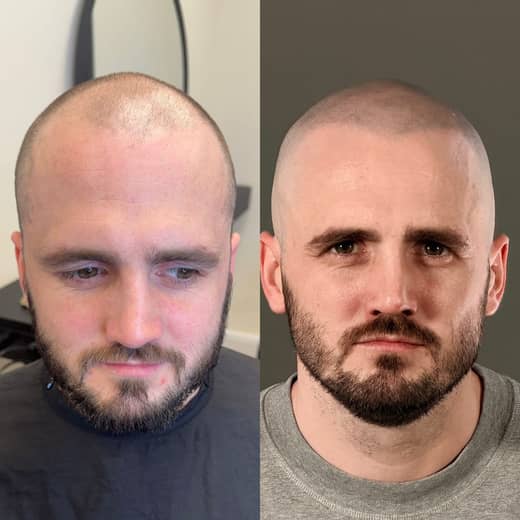
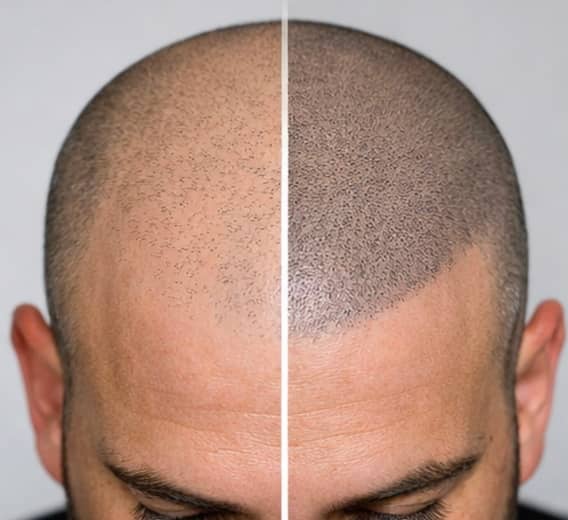
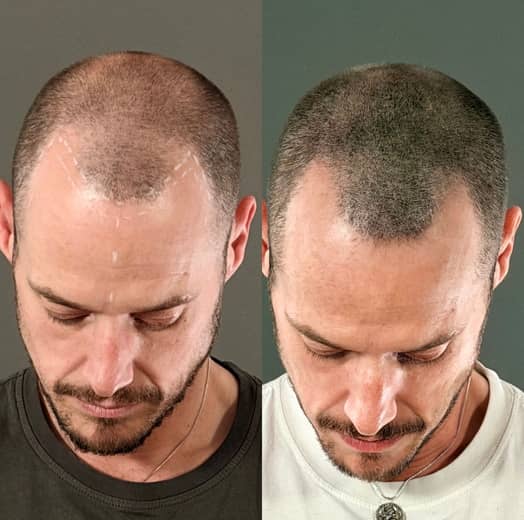
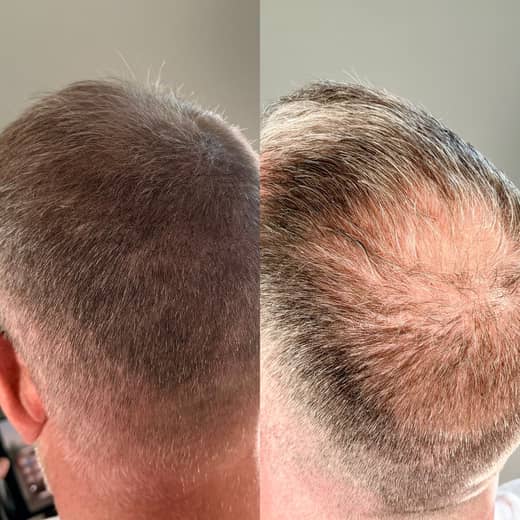
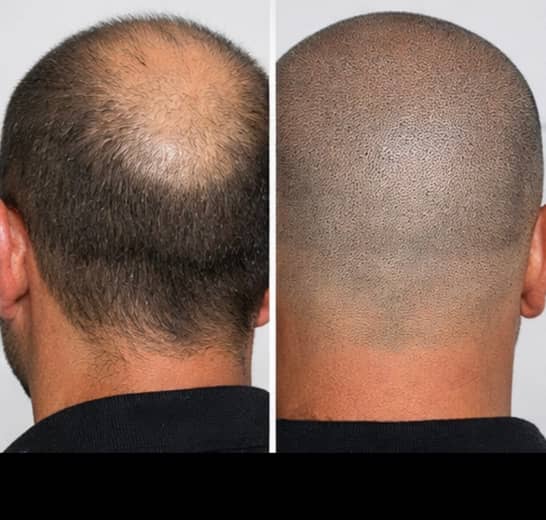
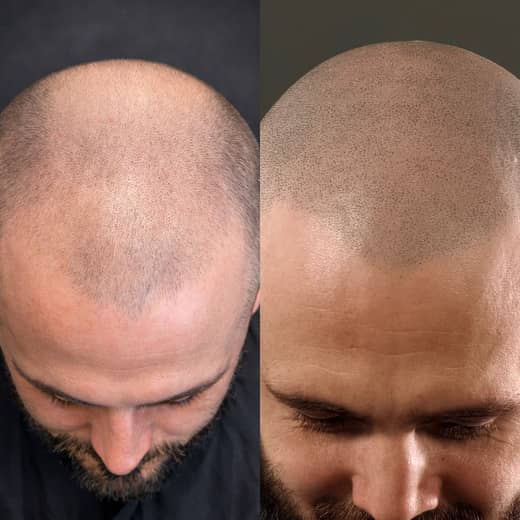
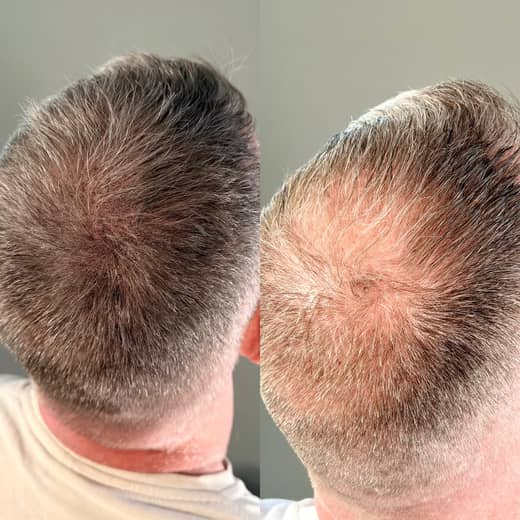
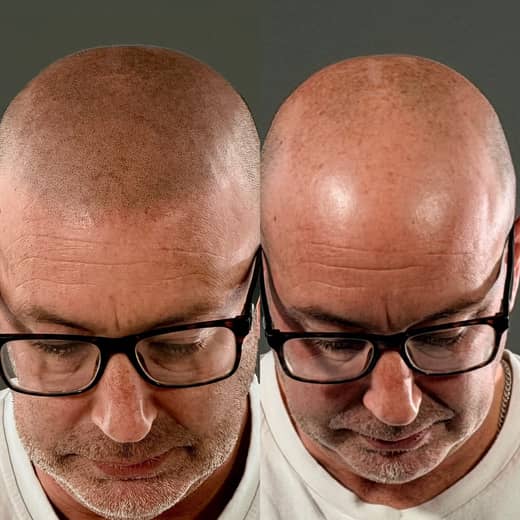
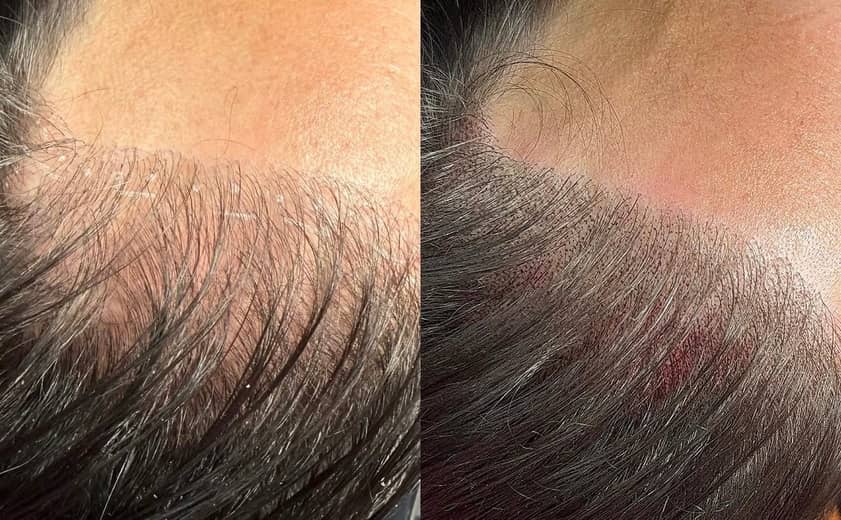
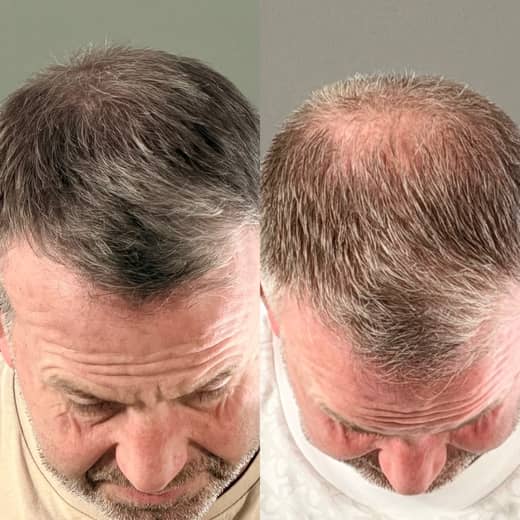
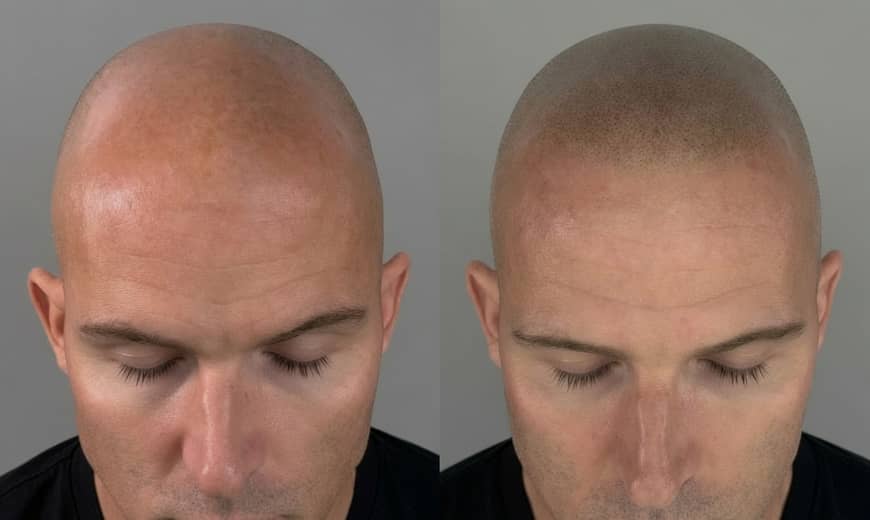
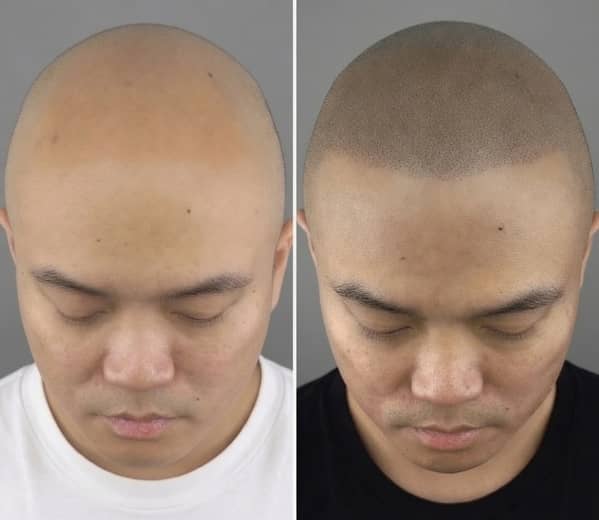
After one density SMP session, thinning areas usually look fuller and the scalp shows through less straight away, but the natural, settled result most people are after is built over two to three sessions. A single session lays the foundation; the final tone and density come as the work is layered and the pigment heals.
The short answer
One density SMP session already reduces how much scalp shows through thinning areas, so the hair reads as fuller on the day. It is a foundation, not the finished result: the pigment fades as it heals over the first few weeks, and the natural, settled look is built over two to three sessions. SMP recreates the appearance of density, it does not grow hair. Individual results vary.
Thinning hair can knock your confidence, especially when the scalp starts to show through under bright lighting or in photos from above. A lot of people who come to Kennedy SMP Studio want to make thinning areas look fuller without shaving the head, and that is exactly what density SMP is designed to do - see who scalp micropigmentation on long hair actually suits if keeping your length is the whole reason you’re considering this. If the thinning you have spotted is mainly at the crown, our guide to why the crown thins and what actually helps is worth a read first. The fair question is what a single session can actually achieve. Here is a straight answer.
What one session can do
Density scalp micropigmentation works by placing thousands of tiny pigment impressions between your existing hairs. This reduces the contrast between your hair and your scalp, so thinning areas look denser and the skin shows through less. After a first session, it is normal to already see a noticeable reduction in scalp visibility across the crown and top of the head, blended in among the hair you still have so it stays realistic up close.
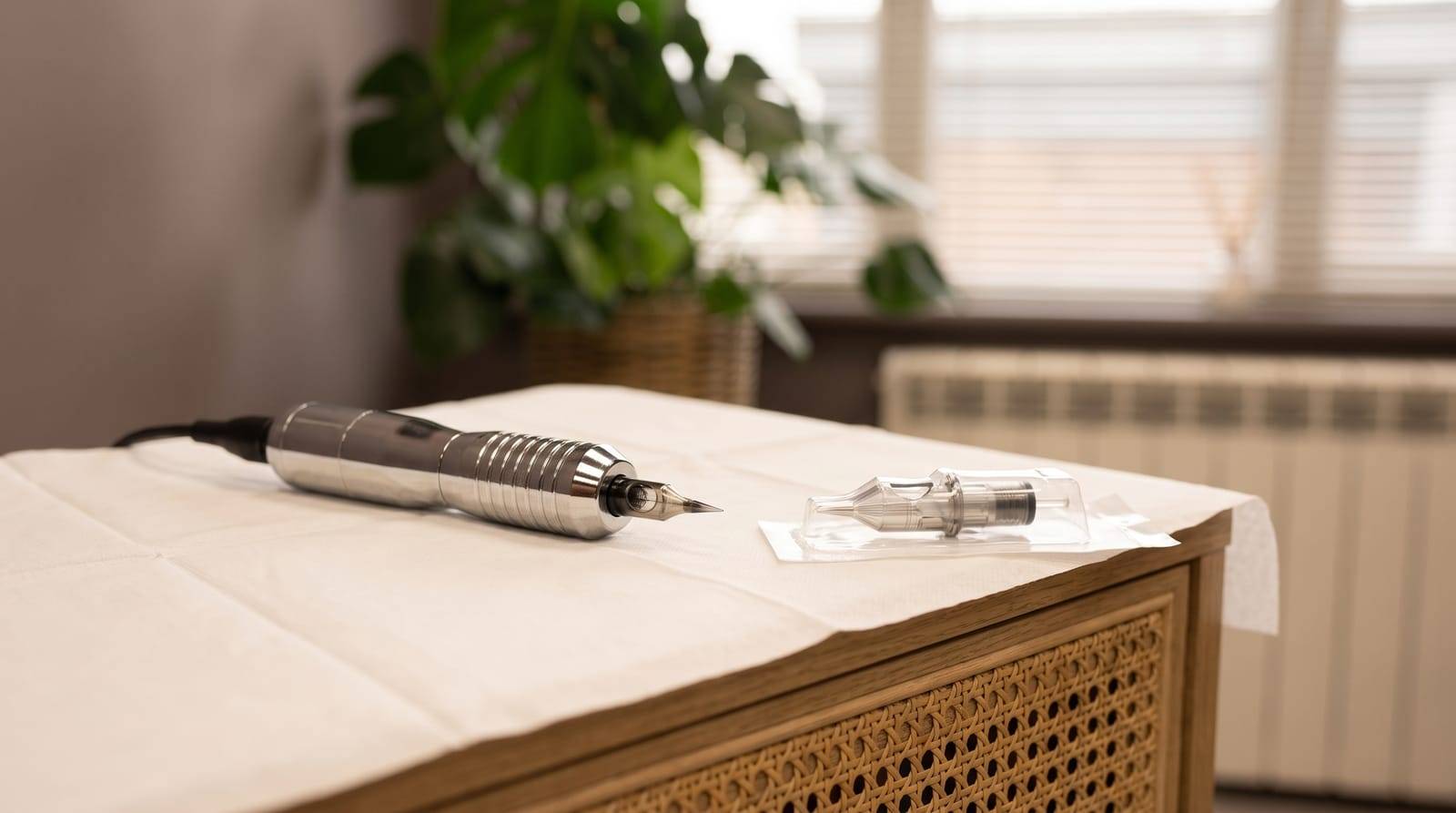
It is worth being clear, though: that first session is a foundation, not the finished result. Like the NHS and Cleveland Clinic both note, SMP is cosmetic, it “doesn’t grow hair” and is not a hair-loss treatment. It changes how the scalp looks, not what is happening beneath it.
Why a natural result takes two to three sessions
We almost always build density SMP over two to three sessions rather than trying to do everything at once, which matches wider practice: Cleveland Clinic notes most people need “three or more treatments, spaced several weeks apart”.
- Pigment settles and softens as it heals. Building in stages lets us see how your skin holds the colour before adding more.
- It keeps the result subtle. A gradual build avoids a sudden change that looks obvious to you or the people around you.
- It gives us room to refine. Each session is a chance to adjust shade, placement and density to match what you actually see in the mirror.
What one session does, and does not, do
- Does: reduces scalp show-through straight away, laying a visible foundation across the crown and top.
- Does not: deliver the final tone or density; that builds over the full course as the pigment heals.
- Never: grows or regrows hair. Density works only where there is still some hair to blend among.
Does density SMP fade after the first session?
This is the most common worry, and the answer is yes, on purpose. The look you walk out with is not quite the look you keep. In the first day or two the new pigment appears darker and more defined than its final tone, and the area may feel slightly tender or look faintly pink. Then comes the part that catches people out: tiny scabs form over each impression and, as SMP clinics like Scalp Nation describe, they naturally shed after about seven to ten days, so the remaining colour looks much lighter. Many people panic here and think the work has vanished.
It has not. As the skin recovers, the colour softens and settles into a more even tone that blends with your own hair, and the scalp fully settles over roughly four weeks per session (Foli Sim puts the density healing timeline at around 28 to 30 days). We only judge how the area has taken, and plan the next session, once that settling has happened.
The first-session "fade" that worries people is the normal shedding phase, not lost work. The result comes back softer and more natural as the skin heals.
Simple aftercare that protects the result
Good aftercare in the early days makes a real difference to how cleanly density SMP settles, and none of it is complicated.
- Keep the area clean and dry for the first few days, then return to gentle cleansing once the surface has begun to heal.
- Take it easy on heavy sweating early on. Intense workouts, saunas and steam rooms are best paused briefly, and swimming left until you are fully healed, as excess moisture during healing can affect how evenly the pigment settles.
- Protect the scalp from strong sun. Once healed, a hat or a suitable SPF helps the result last. This matters more for density work because the pigment is blended through visible scalp.
We give you clear written aftercare so you are not relying on memory, and the early effort pays off in a more even, longer-lasting finish.
How long it lasts, and touch-ups
Density SMP is long-lasting rather than strictly permanent. Because the pigment is placed in the skin, it softens gradually over several years, commonly around three to six, and how fast depends on your skin, your sun exposure and your own body. That gradual fade is not a flaw; it means the look can be kept in step with your natural hair. Many people choose an occasional touch-up, from £300, to keep density looking its best, and we will talk through what upkeep is realistic for you rather than promising it never needs attention.
What density SMP can and cannot do
Density SMP works brilliantly for the right goal and not at all for the wrong one. It can reduce how much scalp shows through thinning areas, soften a widening parting or a diffuse patch on the crown, blend in among the hair you still have, and give a low-fuss alternative to daily fibres and concealers. It cannot grow or regrow hair, slow hair loss, or build the look of long, thick hair from a sparse base on its own; density works best where there is still some hair to blend among.
Every treatment is matched to your natural hair colour, skin tone and how much thinning you have, which is why two people with similar hair loss can need quite different plans, and why we never quote a final result or price before seeing you. If hair regrowth is genuinely what you are hoping for, density SMP is the wrong tool, and we would say so. One honest caveat worth clearing up: done well the pigment reads as soft shadow and density, not a pattern of visible spots. The dotty look people fear comes from poor work, which is also where nearly all SMP regret starts, so judge any practitioner on their real healed results.
Thinking about it?
Noticing more scalp than you used to? The real next step is a chat, not a commitment. It costs nothing to sit down, look at your scalp honestly and map out a realistic plan together. If you want to weigh it up first, our before and after guide shows what genuine density work looks like, our honest guide to whether you should get scalp micropigmentation helps you decide, and the pillar on how scalp micropigmentation works covers the technique in full.
More from the blog
How Long Does Scalp Micropigmentation Last? The Honest Timeline
Every SMP page says three to six years and stops there. Here is the actual reason pigment fades, the factors that genuinely speed it up, and an honest answer on when you will want a touch-up.
Before and After Scalp Micropigmentation: What Really Changes
A before-and-after can make SMP look like one instant switch. Here is what really changes, how the result is built, and how to tell an honest before-and-after from a flattering photo.

What a Hair System Really Costs in the UK (Over Five Years, Not One)
Salon price lists quote one unit. Nobody adds up the refits, the replacements and the tape. So I did, using the published prices of real UK salons, and the five-year number is the one worth knowing before you start.
Common questions
Is two sessions of density SMP enough?
For some people two sessions are enough, but density SMP is usually planned over two to three. The first session lays the foundation, and we only judge how well your skin has held the pigment once it has healed and settled. A third session is there to refine the shade, placement and density if your scalp needs it, rather than being automatic. Your exact plan is confirmed in person, never guessed at up front.
Does density SMP fade after the first session?
Yes, and that is normal, not a failure. Tiny scabs form over each impression and shed after about seven to ten days, so the colour looks noticeably lighter for a while, and the scalp fully settles over roughly four weeks. That is why the first session is a foundation rather than the finished result, and why we only judge how your skin has taken the pigment once it has healed. Individual results vary.
How much does density SMP cost?
The right figure depends on how much thinning you have and how many sessions your plan needs, so we never quote a final price before seeing you. Density SMP starts from £600, and you can view current prices on our prices page; we confirm the full cost at your free consultation once we have looked at your scalp. There are no hidden extras sprung on you later.
Can density SMP fix thinning hair?
Density SMP does not grow or regrow hair, and it cannot stop hair loss. What it does is reduce how much scalp shows through the hair you still have, so thinning areas read as fuller and the contrast between hair and skin softens. It works best where there is still some hair to blend among. If genuine regrowth is what you are after, it is the wrong treatment, and we would tell you so.
How long does density SMP last?
Density SMP is long-lasting rather than permanent. The pigment sits in the skin and softens gradually over several years, commonly around three to six, and how quickly that happens depends on your skin, your sun exposure and your own body. Many people choose an occasional touch-up to keep density looking its best. Sensible sun protection on the scalp once healed helps the result hold for longer.
Will density SMP look like dots in my hair?
Done well, the pigment sits between your existing hairs and reads as soft shadow and density, not a pattern of visible spots. The dotty look people worry about comes from poor work, not the technique itself. Matching the shade and the size of the impressions to your own hair is what keeps it looking natural up close. It is exactly the kind of thing to judge from a practitioner's real before and after results before you book.
Thinking about scalp micropigmentation?
Book a free, no-obligation consultation. We'll talk through your hair openly - no guarantees and no medical claims, just a clear idea of whether SMP is right for you.
Book a free consultation