
From the studio
Is Scalp Micropigmentation Right for You?
SMP suits a lot of people, but not everyone. A frank guide to who scalp micropigmentation can help, who it is not for, the honest pros and cons, and how to decide if it is right for you.
Real client transformations
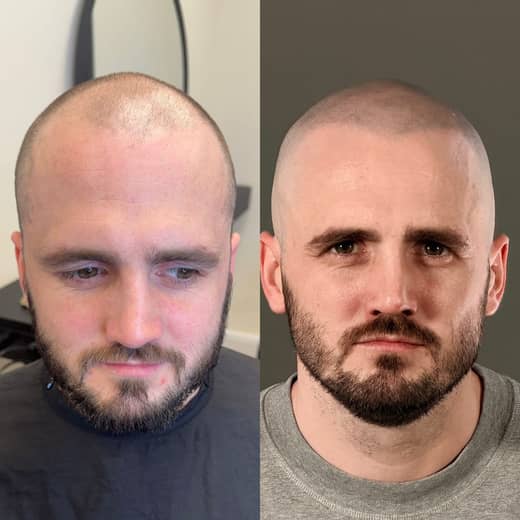
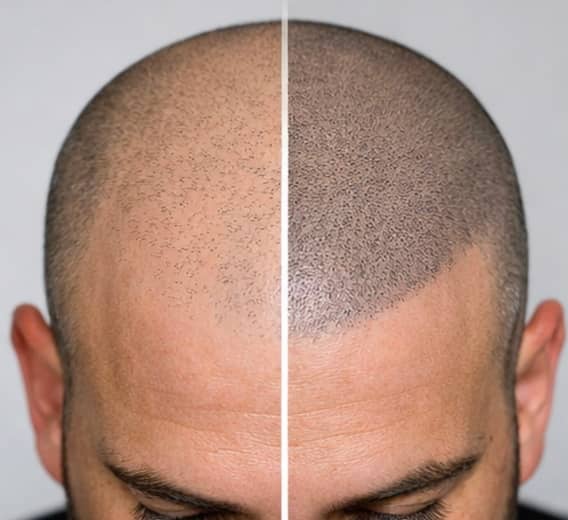
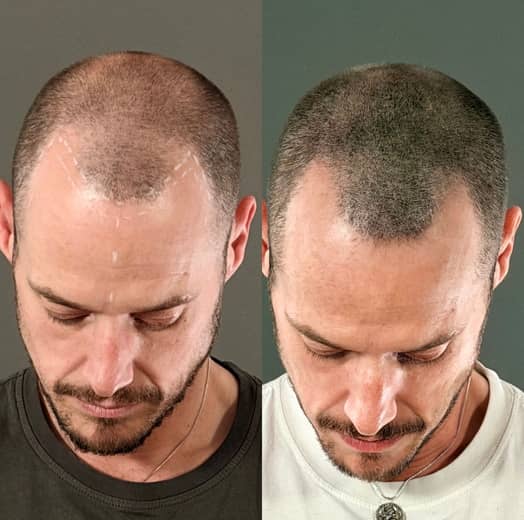
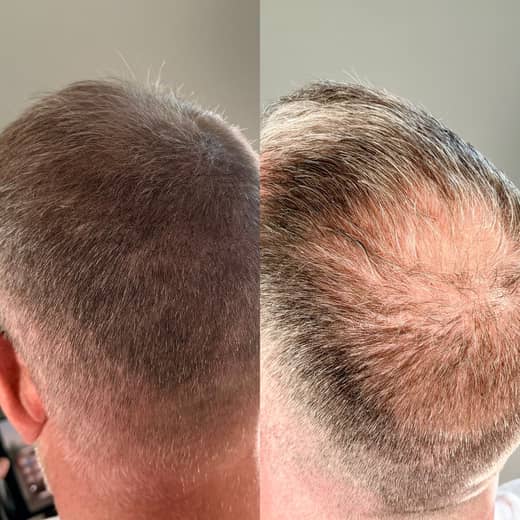
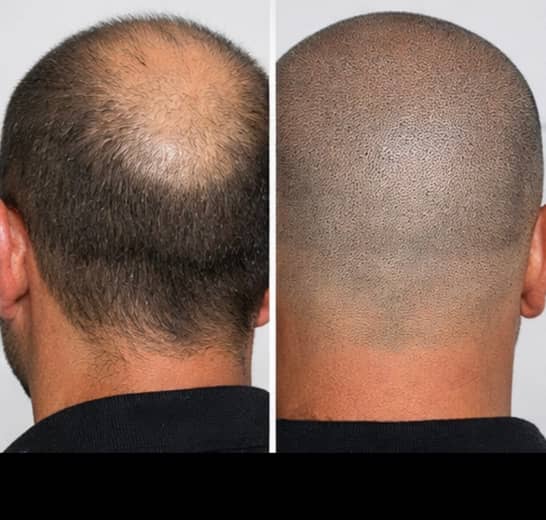
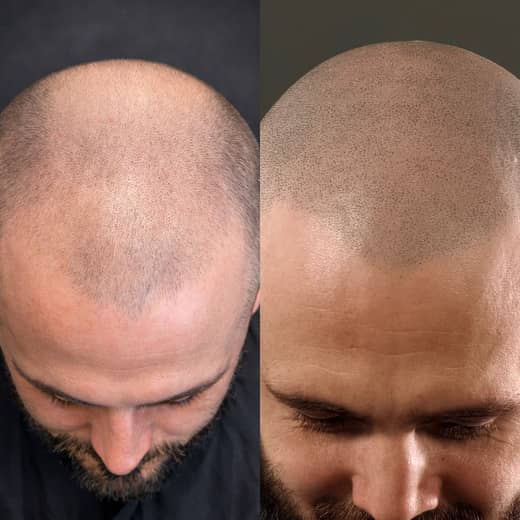
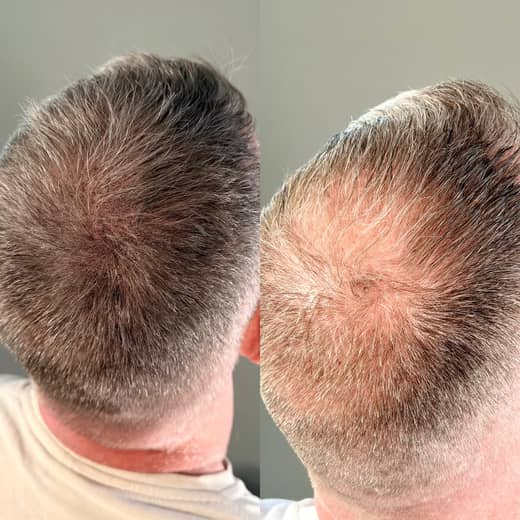
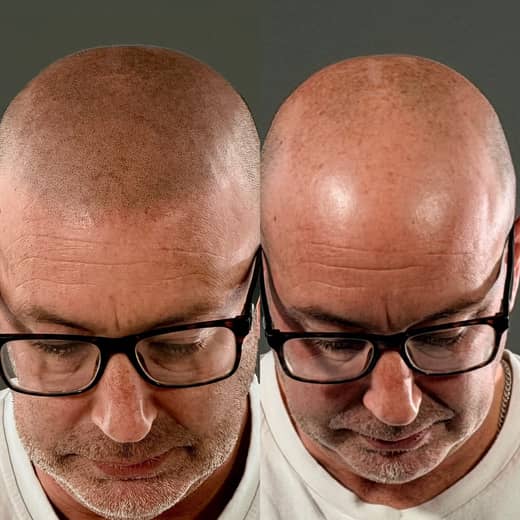
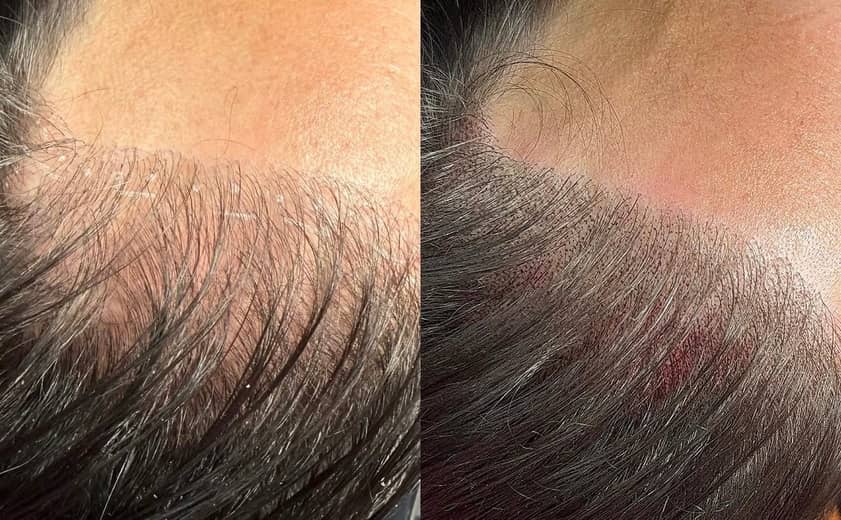
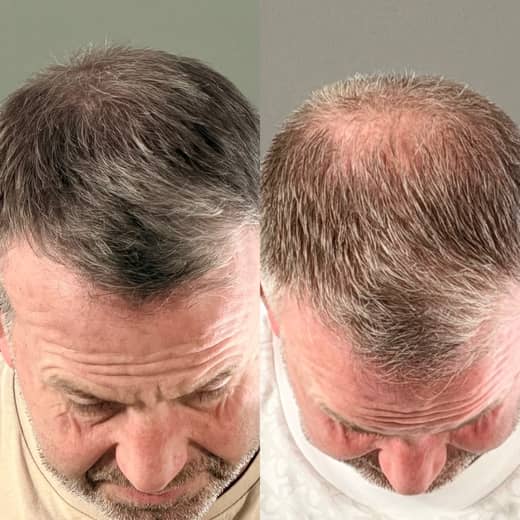
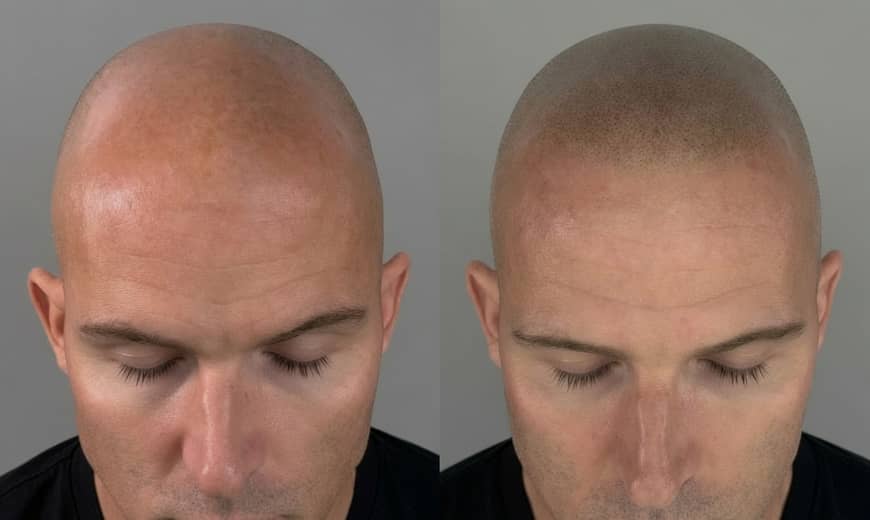
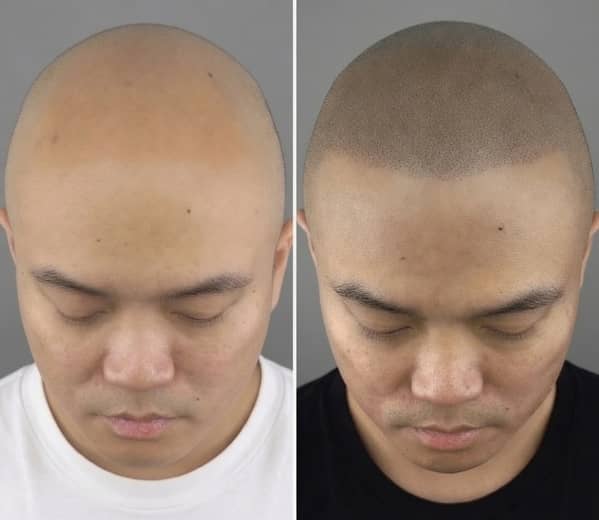
If you are tired of thinning hair, a receding hairline or visible scalp, you have probably come across scalp micropigmentation (SMP) by now. The harder question is whether it is right for you. This is a decision guide: who SMP genuinely suits, who it does not, the honest pros and cons, and a simple way to make your mind up. For how a treatment actually runs, see what to expect at the studio.
The short answer
Get scalp micropigmentation if you want a low-maintenance, cosmetic way to reduce the contrast between hair and scalp and are happy with a closely-shaved or fuller-looking finish. It is the wrong choice if you are hoping to grow hair back, because SMP recreates the appearance of hair, it does not grow hair. That one distinction settles most of the decision.
What SMP is, and the one thing it is not
SMP places pigment in the upper layers of the scalp to recreate the appearance of closely-shaved follicles or denser-looking hair. The full technique is on our how scalp micropigmentation works page. The NHS lists it among cosmetic options for hair loss, describing it plainly as a “tattoo used to look like short hair”, and Cleveland Clinic is just as clear that it “doesn’t grow hair or change your natural hair growth” and “is not a hair loss treatment”. You may have seen it called a hair tattoo, which is the same procedure by an everyday name.
That is the line that settles most of the decision: SMP changes how your scalp looks, not what is happening beneath the skin. If regrowth is what you are after, it is the wrong treatment, and we would tell you so rather than sell you something that will disappoint.

Who scalp micropigmentation suits
SMP tends to fit people who want to reduce the contrast between hair and scalp. Cleveland Clinic lists good candidates as those with male pattern baldness, a receding hairline or thinning crown, hair loss in women, alopecia, chemotherapy-related loss, and scars or birthmarks on the scalp. In practice that means:
- Men with pattern hair loss who want the look of a defined hairline and an even shadow of closely-shaved hair, particularly if shaving a balding head has left it looking patchy.
- Women with thinning hair who want a visible scalp or widening parting to look fuller, usually through our female density treatment, where it helps to know what one density session can achieve. Our honest guide to scalp micropigmentation for women covers the medical options worth trying first, too.
- People with scarring from previous hair transplants or injuries, where pigment can help camouflage the scar within the surrounding hair; our guide to hiding a hair transplant scar runs through every option honestly.
- Anyone wanting a low-fuss option that does not rely on daily concealers, fibres or styling products.
It suits both men and women, and can be designed to be as subtle or as defined as you like.
Who it is not for, or not yet
Being honest about the fit means saying who it is not for, too. SMP is probably not the right call, at least for now, if:
- You are hoping to grow hair back. It is a cosmetic finish, not a hair-loss treatment, and it will not change anything beneath the skin. If regrowth is the goal, a hair transplant is a different route, and if you are weighing something less drastic first, an honest look at whether PRP actually works is worth reading before you decide.
- You want long, styleable length. SMP recreates closely-shaved or denser-looking hair, not a full head of length you can style.
- Your hair loss is still changing quickly. If loss is actively progressing, the design is worth planning carefully so it still suits you as things settle.
- You are prone to keloid scarring. Cleveland Clinic notes that people prone to keloids “should not get scalp micropigmentation”, so flag any tendency to raised scars early. Conditions such as psoriasis or eczema on the scalp are also worth raising, as they can shape timing rather than rule it out.
A 30-second decision check
- Right for you if: you want a cosmetic change, are happy with a closely-shaved or fuller look, and want something low-maintenance.
- Not right, or not yet, if: you want regrowth or long styleable hair, your loss is still changing fast, or you are prone to keloid scarring.
- The deciding line: SMP recreates the appearance of hair; it does not grow hair.
The honest pros and cons
Here is the frank version we would give at a consultation.
The pros:
- It reduces the contrast between hair and scalp, so thinning or a receding hairline reads as an even, closely-shaved look rather than a bare patch.
- It is low-maintenance: no daily fibres, concealers or styling products.
- Results are immediate and buildable. You see a difference from the first session, then refine it over a planned course of two to three sessions.
- It suits men and women, and can be as subtle or as defined as you want.
- It is not a lifelong commitment. SMP softens over years, so the look can be adjusted or refreshed rather than fixed forever.
The cons, honestly:
- It does not grow hair. It changes how your scalp looks, not what is happening beneath the skin.
- It suits a shorter look, not long, styleable length.
- It fades over time and may need an occasional touch-up to stay sharp.
- Quality varies hugely between artists. Cleveland Clinic notes the biggest risks come from an inexperienced practitioner, which is where nearly all SMP regret comes from, so choose on the quality of healed work rather than price.
- Up very close it is still pigment in the skin. It reads as real stubble or density at normal viewing distances, not under a magnifying glass.
The honest test is not whether SMP is good work, it is whether a cosmetic change is what you actually want.
How to decide: a quick self-check
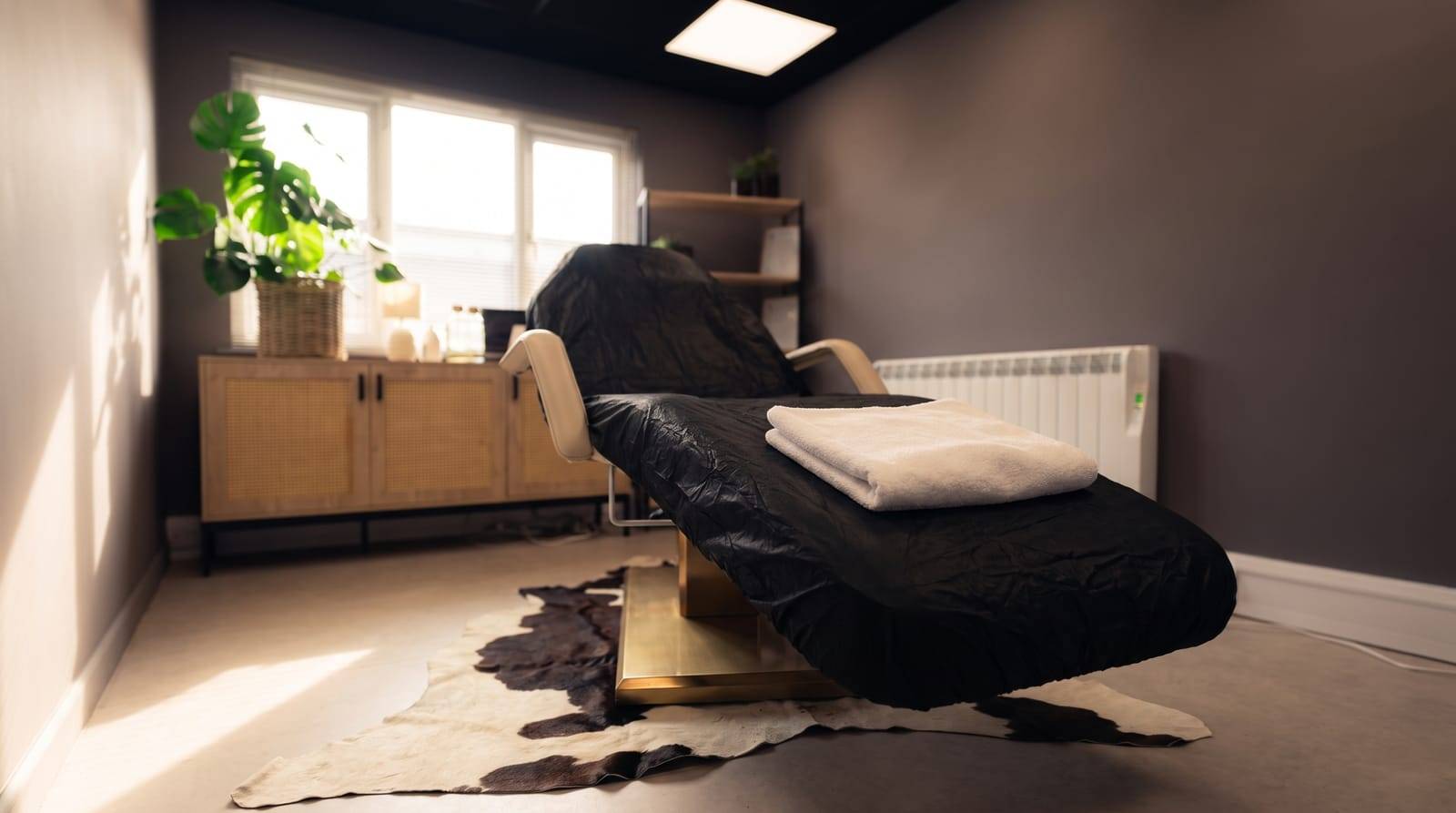
There is no pressure to make your mind up from a blog post, but a short, frank self-check usually clears the fog. Sit with these:
- Am I after a cosmetic change, not regrowth? SMP changes how your scalp looks. If you are genuinely hoping to grow hair back, this is not the route.
- Will I be happy with a closely-shaved or fuller-looking finish rather than long, styleable hair?
- Do I want something low-maintenance that does not rely on daily concealers, fibres or styling products?
- Am I comfortable building the result over a planned course of two to three sessions rather than one visit?
- Are my expectations realistic about up-close detail? It looks like real stubble or density from normal viewing distances; it is still pigment in the skin on very close inspection.
If you are quietly nodding at most of those, SMP is probably worth a proper conversation. If a couple gave you pause, that is useful too, and it is exactly what a consultation is for. To see the standard of work first, our guide to before and after scalp micropigmentation and our results page are the honest place to start.
The bottom line
If you want a cosmetic change rather than regrowth, are happy with a closely-shaved or fuller-looking finish, and go in with realistic expectations, scalp micropigmentation is very often the right call. If you are chasing hair you can grow and style, it is not, and we would tell you so rather than sell you something that will disappoint. The surest way to know which side you fall on is a proper conversation, not a blog post.
When you are ready, look over our transparent prices, which set out what scalp micropigmentation costs in the UK, then get in touch. A free consultation is the fastest way to a straight answer on whether SMP is right for you.
More from the blog
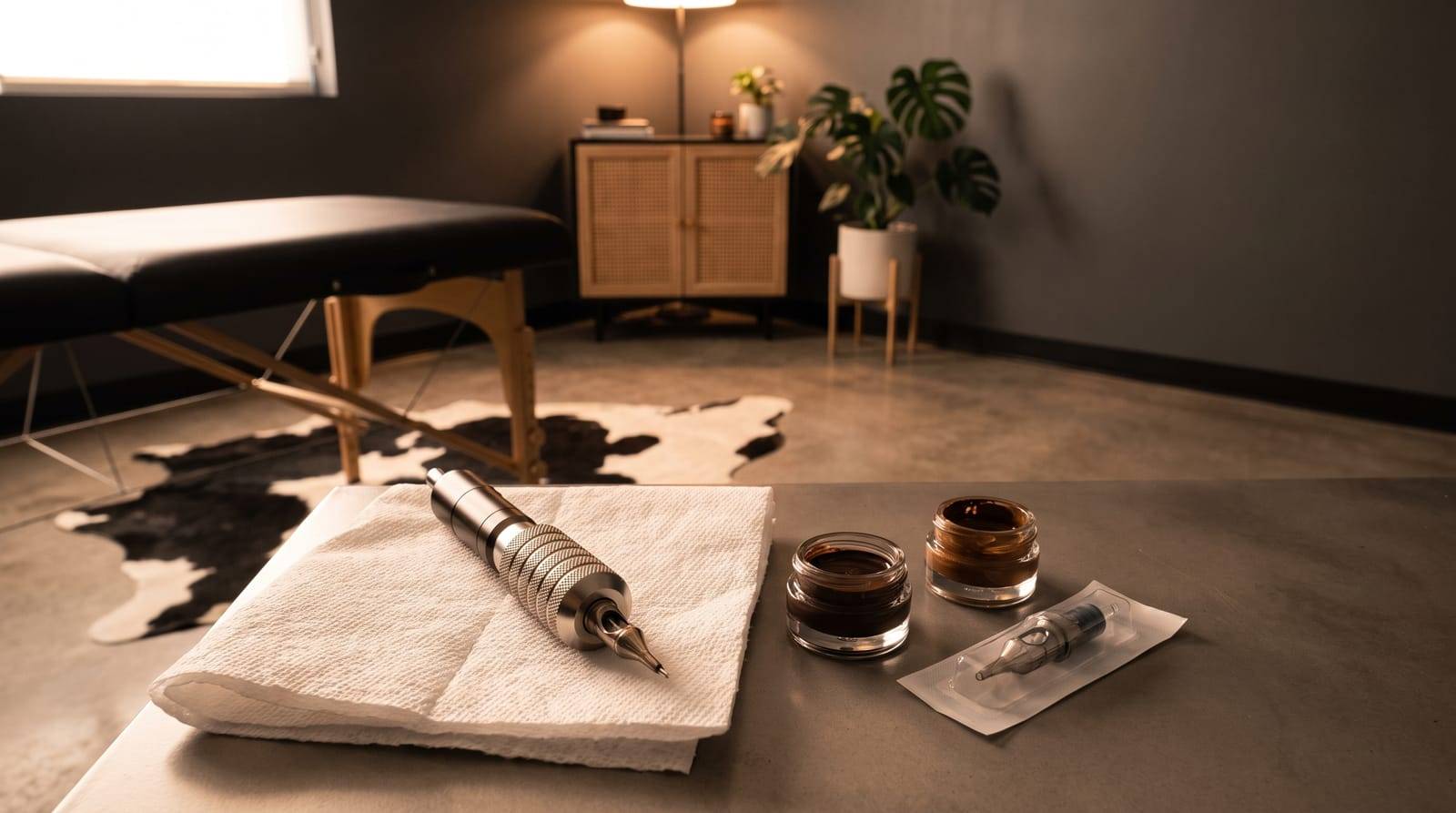
Hair Tattoo for Men: What It Really Is (and What It Costs)
Hair tattoo, scalp tattoo, hairline tattoo: they are all everyday names for scalp micropigmentation. Here is a straight answer on what a hair tattoo actually is, what it costs, how long it lasts and who it suits.
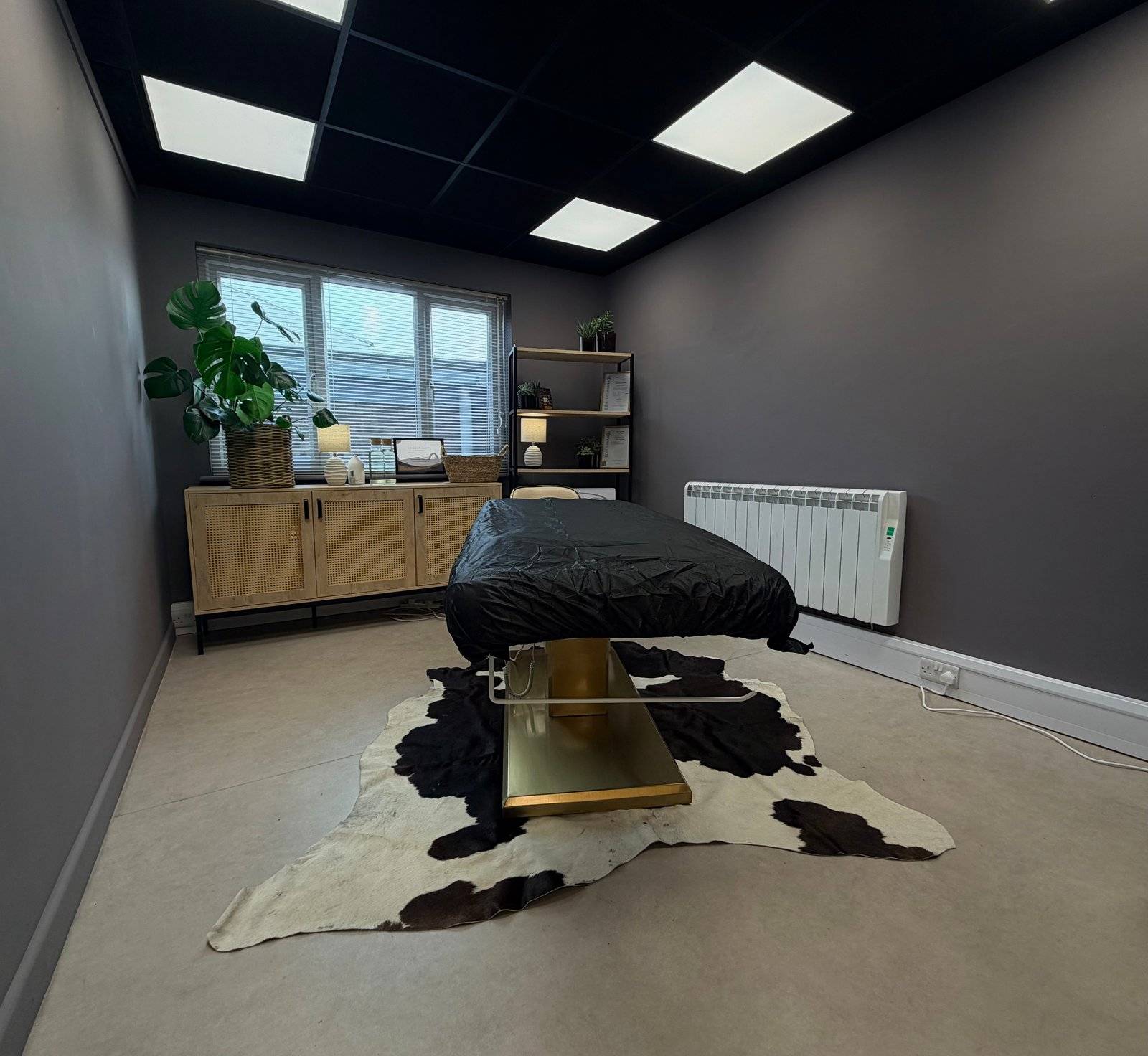
What to Expect from SMP at Kennedy SMP Studio
Choosing where to have scalp micropigmentation matters as much as deciding to have it. Here is how we work at Kennedy SMP Studio in Haverhill - our approach, our process and the small decisions that shape your result.

What a Hair System Really Costs in the UK (Over Five Years, Not One)
Salon price lists quote one unit. Nobody adds up the refits, the replacements and the tape. So I did, using the published prices of real UK salons, and the five-year number is the one worth knowing before you start.
Common questions
Is it worth getting scalp micropigmentation?
For the right person it usually is. If you want a low-maintenance way to reduce the contrast between hair and scalp and are happy with a closely-shaved or fuller-looking finish, SMP is one of the few options that delivers that consistently without daily products. It is not worth it if you are hoping to grow hair back, because it recreates the appearance of hair rather than treating hair loss. The honest test is whether a cosmetic change is what you actually want.
What is a good age for scalp micropigmentation?
There is no fixed age. SMP is done on men and women from their twenties into their sixties and beyond. What matters more than age is that your hair loss is stable enough to plan a design around, and that your expectations are realistic. Younger clients whose loss is still changing quickly are worth planning carefully so the look still suits them as things settle, which is exactly what a consultation works through.
Are two sessions of SMP enough?
Most people need two to three sessions to build a natural, even result, spaced out to let the skin heal between each one. Two sessions lay down the foundation and add density; a third fine-tunes depth and blends any areas that healed lighter. The exact number depends on your skin, the area being treated and the look you want, so it is agreed at consultation rather than promised up front.
Who should not get scalp micropigmentation?
Anyone hoping to grow hair back, because SMP is cosmetic and does not treat hair loss. It also suits a closely-shaved or fuller look rather than long, styleable length. Cleveland Clinic notes that people prone to keloid scarring should not have SMP, so raise any tendency to raised scars at consultation. If your hair loss is still changing quickly, the design is worth planning carefully so it still suits you as things settle.
Do people regret scalp micropigmentation?
Some do, and it is almost always down to expectations or the quality of the work rather than the treatment itself: expecting regrowth, a hairline placed too low or dark, or choosing an artist on price alone. All of those are avoidable with an honest consultation and a practitioner who shows you real, settled results. Our guide to SMP regrets covers how to avoid every common one.
Is scalp micropigmentation permanent?
It is best described as semi-permanent. The pigment is deposited in the upper layers of the scalp and stays for years, but it fades slowly over time rather than lasting forever like a traditional tattoo. That is actually an advantage: it takes some pressure out of the decision, because the look can be adjusted or refreshed as your face and hairline age rather than being fixed for life.
Thinking about scalp micropigmentation?
Book a free, no-obligation consultation. We'll talk through your hair openly - no guarantees and no medical claims, just a clear idea of whether SMP is right for you.
Book a free consultation