
From the studio
Before and After Scalp Micropigmentation: What Really Changes
A before-and-after can make SMP look like one instant switch. Here is what really changes, how the result is built, and how to tell an honest before-and-after from a flattering photo.
Real client transformations
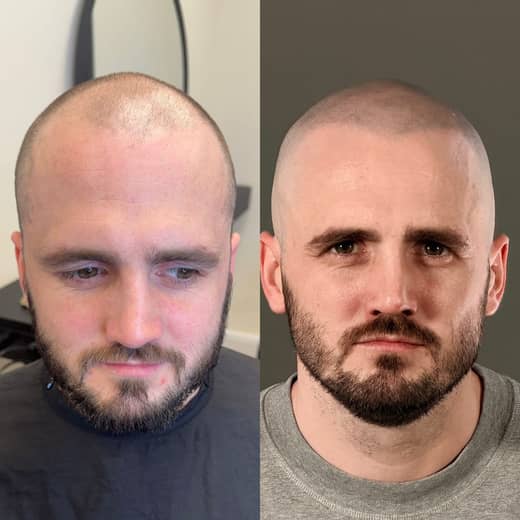
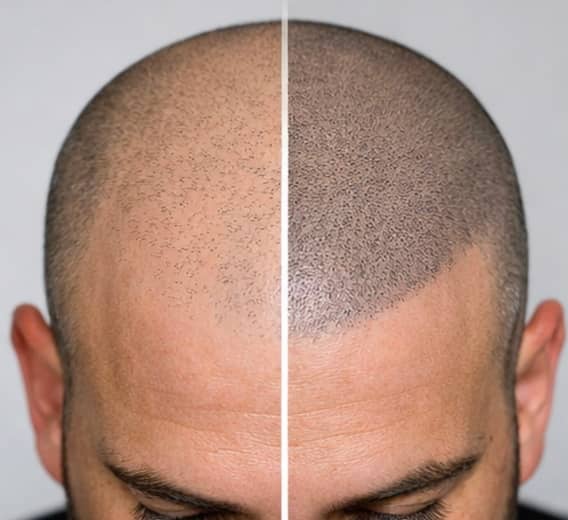
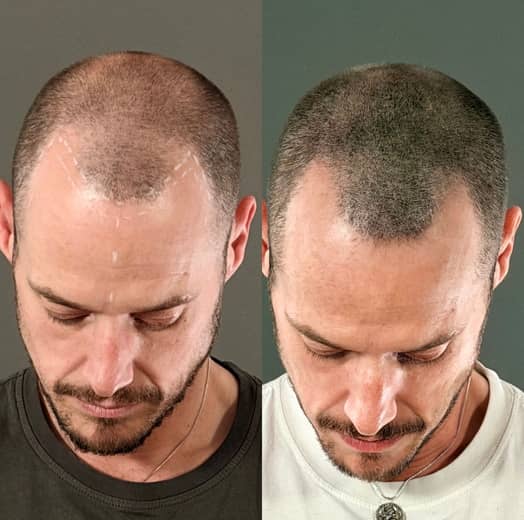
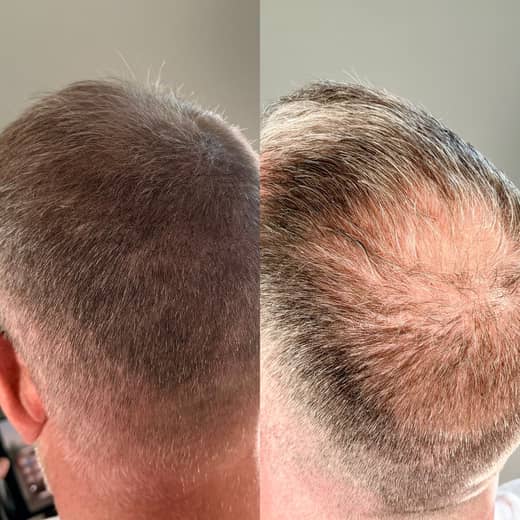
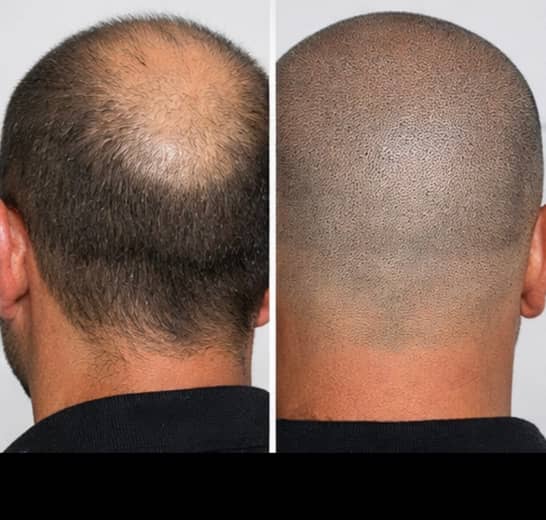
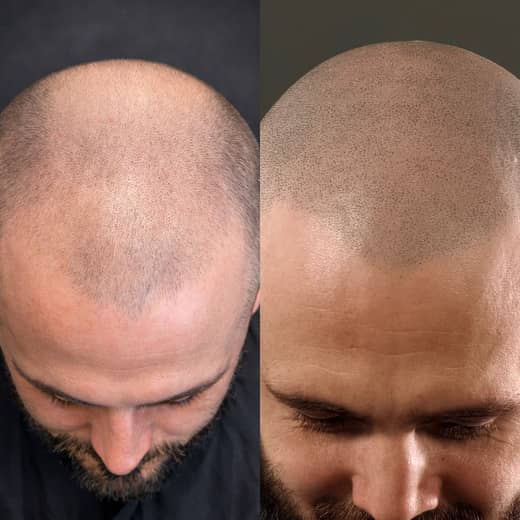
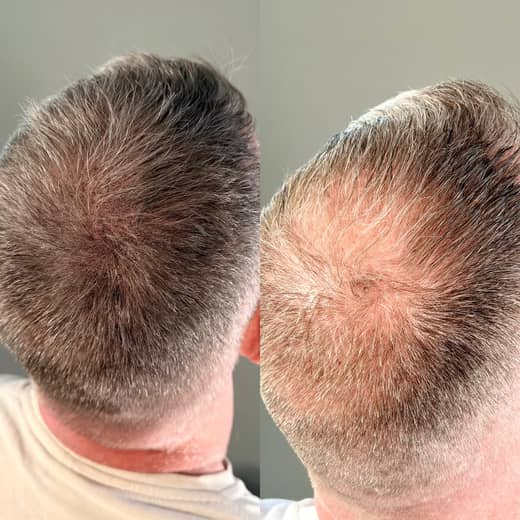
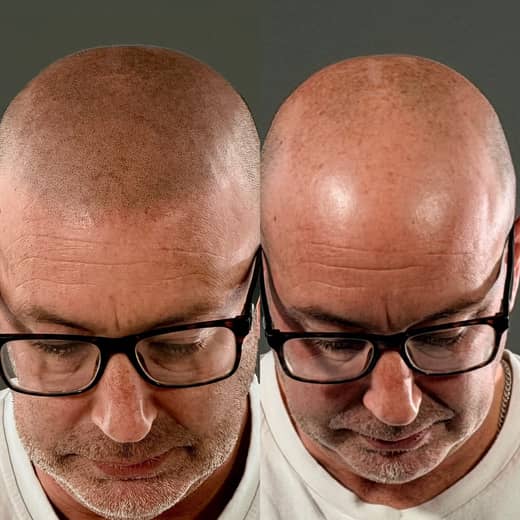
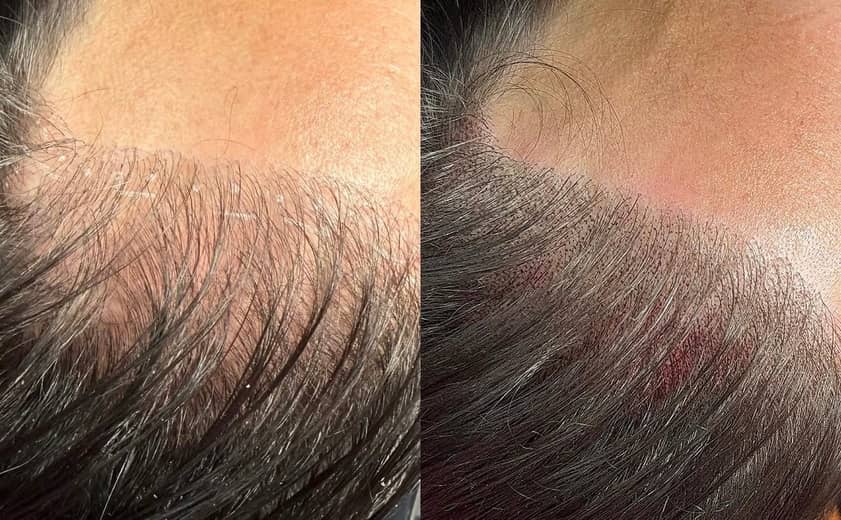
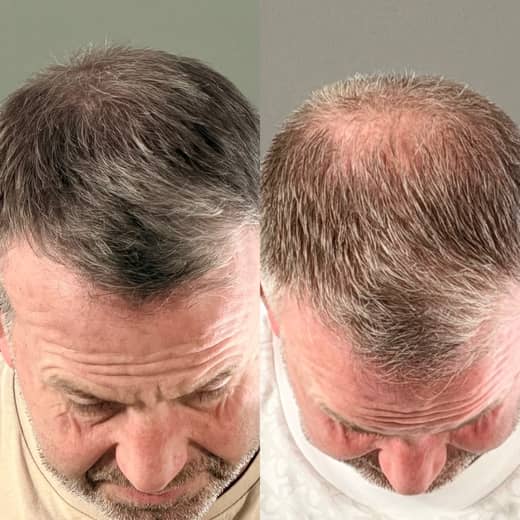
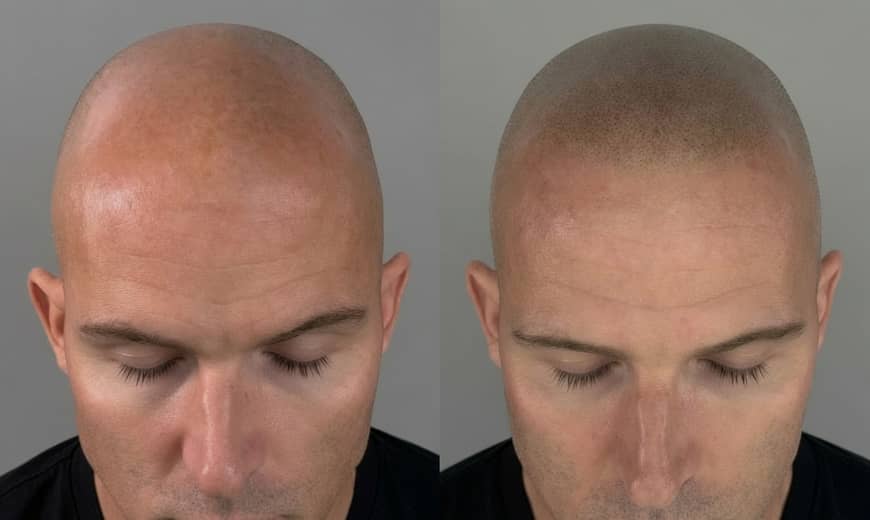
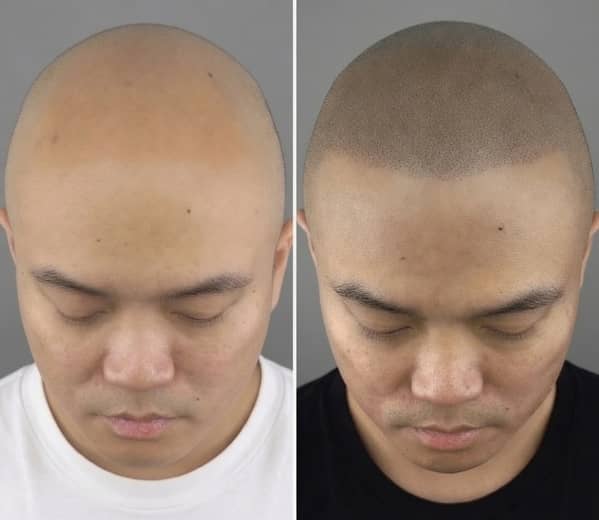
Before-and-after photos are usually the first thing people look at when they research scalp micropigmentation. They are useful, but they can make the result look like a single, instant switch. It is not. The gap between “before” and “after” is a planned process, and knowing what happens in it tells you far more than the photos alone.
The short answer
A scalp micropigmentation before-and-after shows one thing changing: the contrast between hair and scalp is reduced, so thinning or a bare scalp reads as an even, closely-shaved look. It recreates the appearance of hair, it does not grow hair. The most honest before-and-after is taken after the skin has healed, over a planned course of two to three sessions, and individual results vary.
You can see genuine healed examples in our before-and-after gallery. Every scalp is different, so this guide is about understanding what those images actually represent.
What a before-and-after really shows
The visible change comes down to one thing: reducing the contrast between hair and scalp. For a shaved or bald look, pigment recreates the appearance of a defined hairline and an even shadow of stubble. For thinning hair, density SMP fills the gaps between existing hairs so the skin shows through less, and it is worth knowing what one density session can realistically achieve before you start. Either way, the “after” is not a wig effect or a sudden head of hair.
The one thing to hold onto is what it does not show. SMP is a cosmetic finish: it changes how the scalp looks, not what is happening beneath the skin. The NHS lists it among cosmetic options for hair loss, describing it plainly as a “tattoo used to look like short hair”, and Cleveland Clinic is just as clear that it “doesn’t grow hair or change your natural hair growth” and “is not a hair loss treatment”. Our own guide to how scalp micropigmentation works covers the technique in full, and if you have seen it called a hair tattoo, that is the same procedure.
What the photos do and do not show
- A cosmetic change, not new hair. The scalp looks more even; nothing has changed beneath the skin.
- Reduced contrast. Pigment closes the gap between hair colour and scalp colour, so loss reads as stubble or density.
- The end of a course, not one session. A single "after" is usually the result of two to three planned sessions.
- A healed result, at its most honest. The fairest comparison is taken once the skin has settled, in similar light to the "before".
How the result is built
The journey from before to after follows a consistent shape: a consultation to look at your hair-loss pattern and agree the look, a design stage to map a hairline and density that suit your features, colour matching to blend the pigment with your natural hair, then application over two to three sessions so the look develops gradually and can be refined as it heals, with clear aftercare in between. This staged approach is not unique to us; Cleveland Clinic notes that most people need “three or more treatments, spaced several weeks apart”, each one adding more pigment.
What the process involves, in short
- Sessions: two to three, spaced a few weeks apart, so the skin can heal between each one.
- Healing: darker and sharper in the first few days, then a normal shedding phase over the following week where it can look patchier before it settles.
- Maintenance: results usually hold for four to six years before people want a touch-up, from £300.
- What it does not do: it does not grow hair or stop the underlying loss, it changes how the scalp looks.
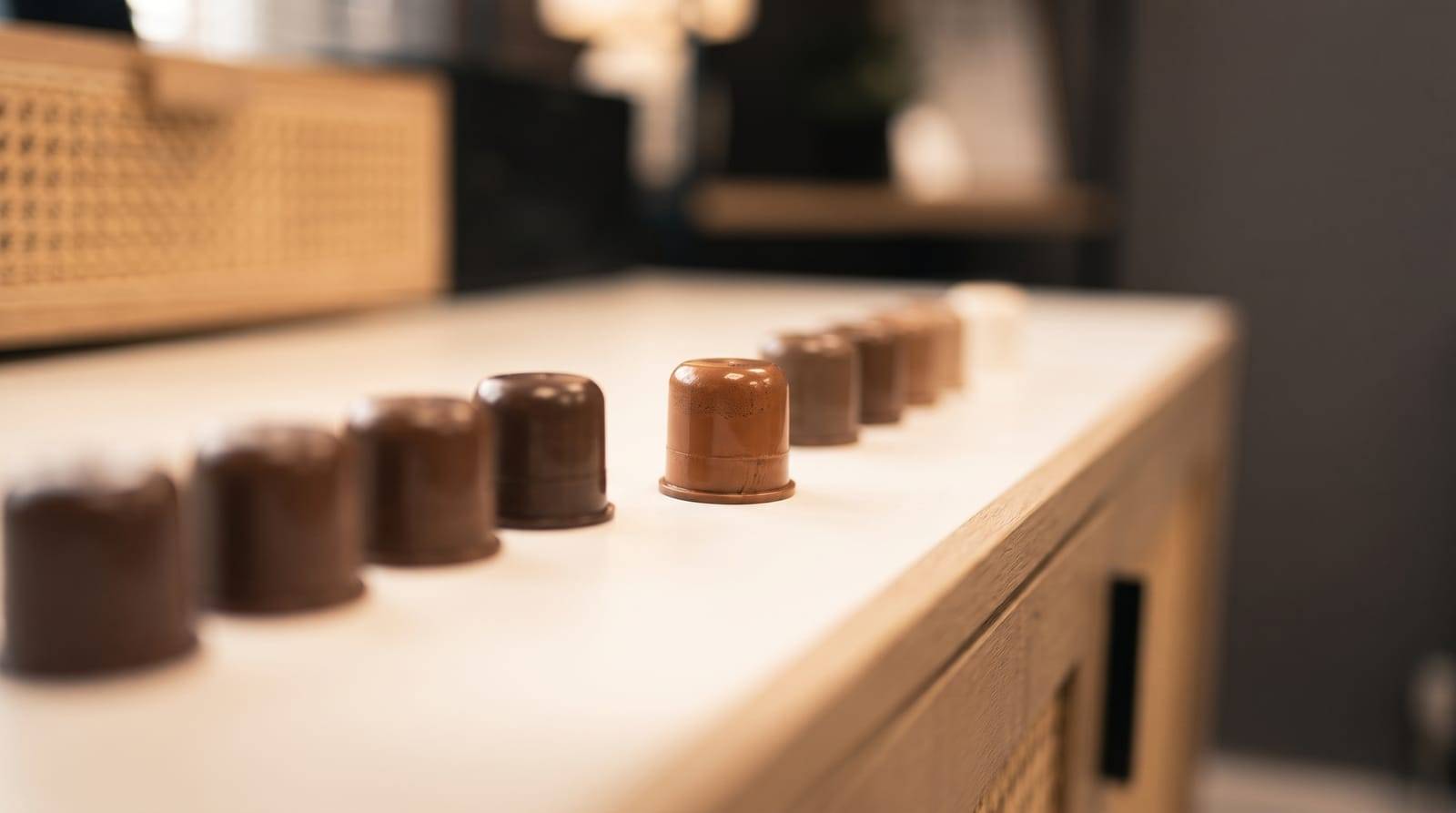
Colour matching is a quiet part of why a good before-and-after looks natural. The shade is mixed to sit with your own hair rather than a shop-standard black, which is what keeps the “after” reading as real stubble instead of a flat, dark block.
What happens between the photos
The biggest thing a before-and-after leaves out is the healing in between. In the first few days the pigment looks a little darker and sharper than it will settle to, and the scalp can look faintly red, which Cleveland Clinic notes usually lasts only several hours. For the first few days it is sensible to keep the scalp dry and avoid heavy exercise, steam, sweating and direct sun while it settles. Over the following week the skin goes through a normal shedding phase, where the dots can look lighter or patchier than they did on the day. This is the part that catches people out, because it can briefly feel like the result has faded too far.
It has not. As the skin recovers over the following weeks, the colour softens and settles into a more even tone. Only then do we judge how the area has taken the pigment and plan the next session around it.
The honest version of a before-and-after is less "before, then after" and more "before, heal, refine, heal again, then after".
How to read an SMP before-and-after honestly
Once you understand the process, you can judge any before-and-after more critically. It is worth being careful, because the single biggest driver of a bad result is the practitioner, not the treatment: Cleveland Clinic notes the biggest risks “come with using an unlicensed or inexperienced practitioner”, and advises you to “ask to see before and after scalp micropigmentation photos of their work”. Here is how to look at that work.
- Check the lighting and angle. A soft-lit “after” next to a harsh, overhead-lit “before” exaggerates the change. Fair comparisons keep the conditions similar.
- Look for a natural hairline. A good result has a soft, slightly irregular front edge, because real hairlines are not ruler-straight.
- Notice whether the density suits the face. A result in proportion to the person reads better than one that just maximises coverage.
- Mind the timeline. A same-day “after” looks darker and crisper than the settled result; one taken weeks later, after healing, is closer to real life.
This works for more than a shaved head, too. Whether it is a man wanting a defined hairline, a woman wanting a widening parting to look denser, someone wanting a thinning crown to look fuller, or softening the look of scarring within surrounding hair, the clearest before-and-afters come when the goal genuinely suits the treatment. A female before-and-after usually shows the parting narrowing and the crown filling in, not a full-shaved-head transformation, since existing hair still covers most of the scalp. If you are still deciding, our guide to whether you should get scalp micropigmentation works through who it suits, and knowing how to read healed work is also the surest way to avoid the most common SMP regrets.
How long does the “after” last?
A before-and-after captures a moment, but the “after” is not frozen in time. SMP is long-lasting rather than strictly permanent: Cleveland Clinic says it “usually retains its appearance for four years or longer”, and UK clinics commonly quote a similar three to six years before people want a refresh. Crucially, done well it does not turn patchy or change colour; it softens gradually and evenly. Many people have an occasional touch-up, from £300, to bring it back to full sharpness, and simple aftercare such as protecting the scalp from strong sun helps it last. How quickly it fades depends on your skin, sun exposure and aftercare, so the timeline is a guide rather than a guarantee.
The bottom line
A before-and-after is a cosmetic comparison: it shows a more even, less patchy scalp, not new hair. The most useful one is honest, taken after the skin has settled, in fair conditions, of work designed for that particular person. Go in with that understanding and you judge SMP against what it actually sets out to do, which is the surest way to be genuinely pleased with your own “after”.
Curious what yours could realistically look like? Have a look at our transparent prices, then get in touch and we will talk it through properly.
More from the blog

How Long Does Scalp Micropigmentation Last? The Honest Timeline
Every SMP page says three to six years and stops there. Here is the actual reason pigment fades, the factors that genuinely speed it up, and an honest answer on when you will want a touch-up.
Density SMP Treatment After One Session
A first density SMP session can already soften the contrast between hair and scalp on thinning areas, but a natural, settled result is built gradually. Here is a realistic look at what one session can and cannot do.

What a Hair System Really Costs in the UK (Over Five Years, Not One)
Salon price lists quote one unit. Nobody adds up the refits, the replacements and the tape. So I did, using the published prices of real UK salons, and the five-year number is the one worth knowing before you start.
Common questions
How many sessions does a before-and-after result take?
Most results are built over two to three sessions spaced a few weeks apart, not a single appointment. The gap lets the skin heal so the pigment can settle before we refine the shade and density. That matches the wider picture: Cleveland Clinic notes most people need three or more treatments spaced several weeks apart. A single after photo is the end of that planned course. Individual results vary.
Can people tell I have had SMP, or does it look fake?
Done well, SMP reads as your own closely-shaved hair rather than an obvious tattoo. The giveaways of poor work are a hard, ruler-straight hairline and a flat block of colour. A natural result has a soft, slightly irregular front edge and density matched to your face, so most people just notice you look tidier without being able to say why.
Why does an after photo look different from what I see day to day?
Fresh after photos are often taken the same day, when the pigment looks darker and crisper than it will settle to, and lighting or angle can flatter the comparison. The fairest before-and-after is taken once the skin has healed, in conditions similar to the before photo. That settled tone is closer to what you see in the mirror.
What does scalp micropigmentation look like after 5 years?
It softens gradually rather than staying fixed, so after several years it usually looks a shade lighter than day one while still reading as a natural shadow of closely-shaved hair. UK clinics and Cleveland Clinic commonly quote a lifespan of around four to six years before a touch-up. How fast it fades depends on your skin, sun exposure and aftercare, so results vary from person to person.
Does SMP work for women and thinning hair, not just a shaved head?
Yes, though the before-and-after looks different from a shaved-head result. Alongside the shaved look for fuller hair loss, density SMP adds pigment between existing hairs so a widening parting narrows and the crown shows through less, without shaving anything. It suits both men and women, and the plan is matched to your hair-loss pattern. Our guide to scalp micropigmentation for women goes into the female pattern and what to try first. Individual results vary.
What are the downsides of scalp micropigmentation?
Being honest about the downsides is part of reading a before-and-after fairly. SMP does not grow hair and will not touch whatever is causing your loss underneath. It fades gradually and needs an occasional touch-up rather than staying fixed forever. Cleveland Clinic also notes real, if uncommon, risks: an allergic reaction to the pigment, infection if aftercare is not followed, and keloid scarring in people prone to it. By far the biggest risk is a poor result from an inexperienced practitioner rather than the treatment itself, which is exactly what a genuine before-and-after helps you check before you book. We go into this in more depth in our guide to common SMP regrets.
Thinking about scalp micropigmentation?
Book a free, no-obligation consultation. We'll talk through your hair openly - no guarantees and no medical claims, just a clear idea of whether SMP is right for you.
Book a free consultation