
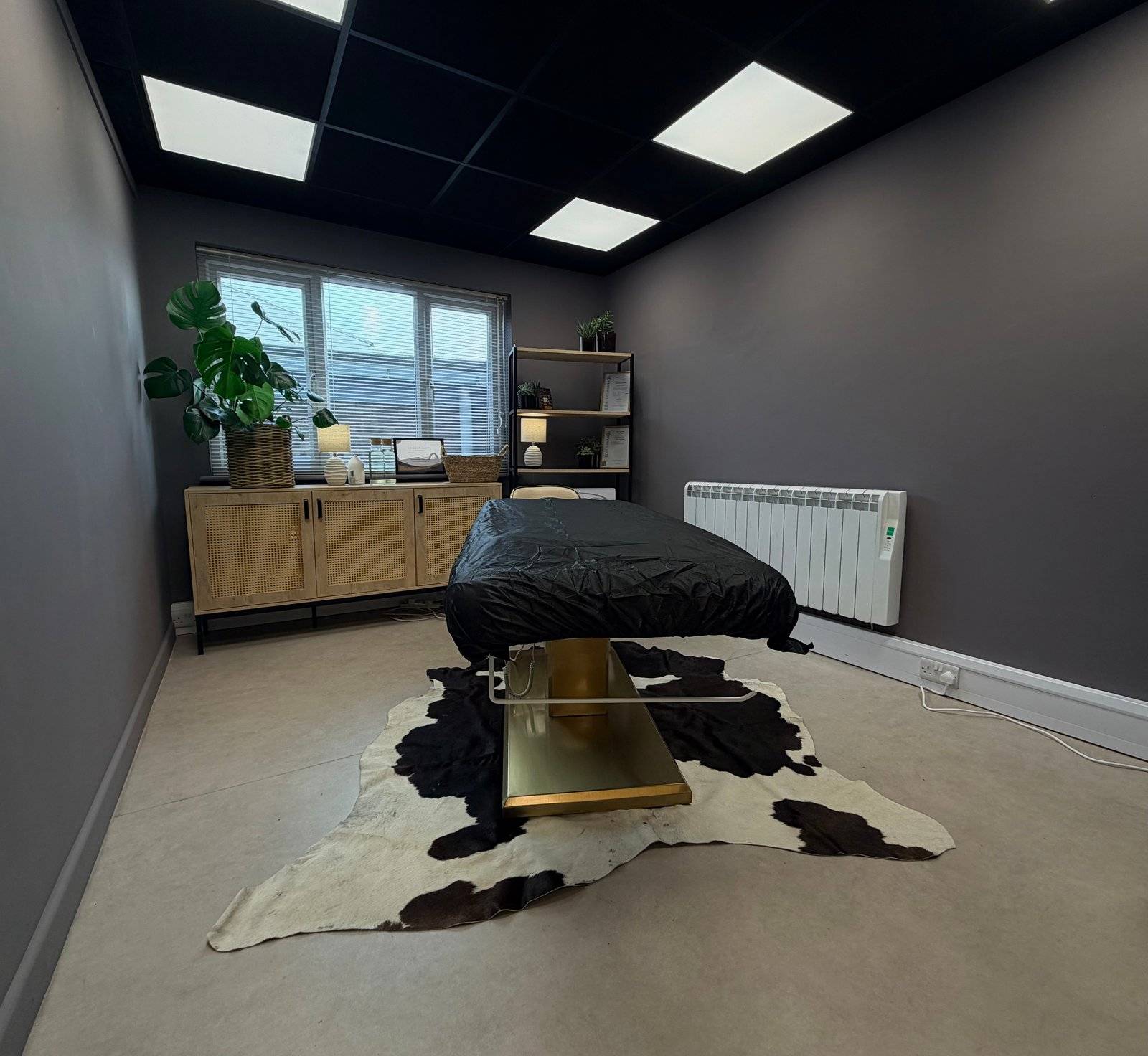
From the studio
What to Expect from SMP at Kennedy SMP Studio
Choosing where to have scalp micropigmentation matters as much as deciding to have it. Here is how we work at Kennedy SMP Studio in Haverhill - our approach, our process and the small decisions that shape your result.
Real client transformations
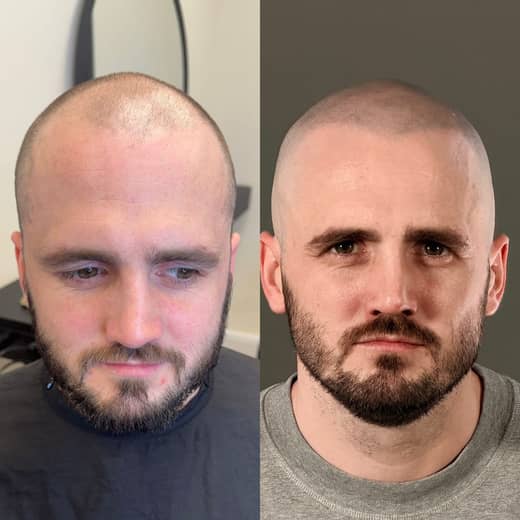
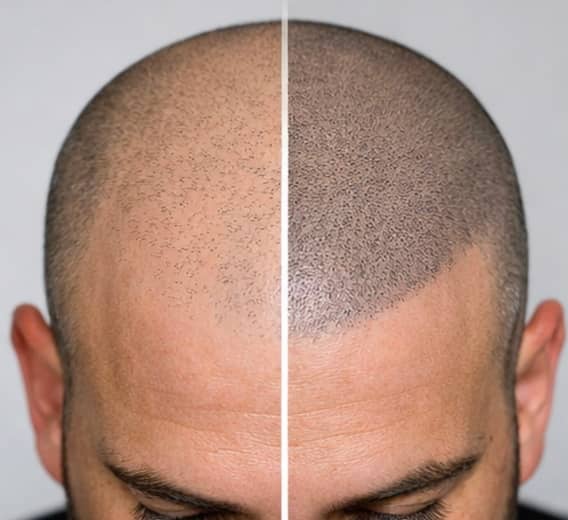
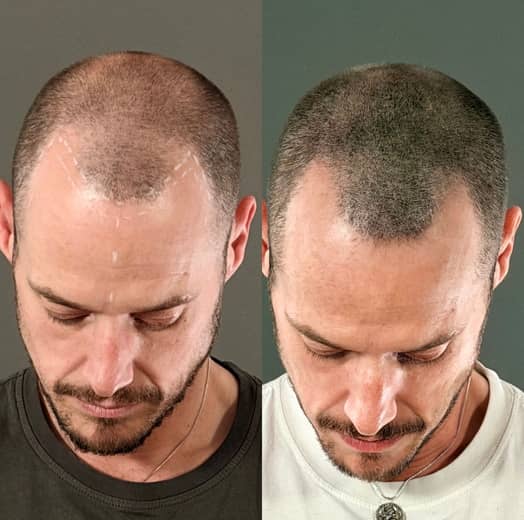
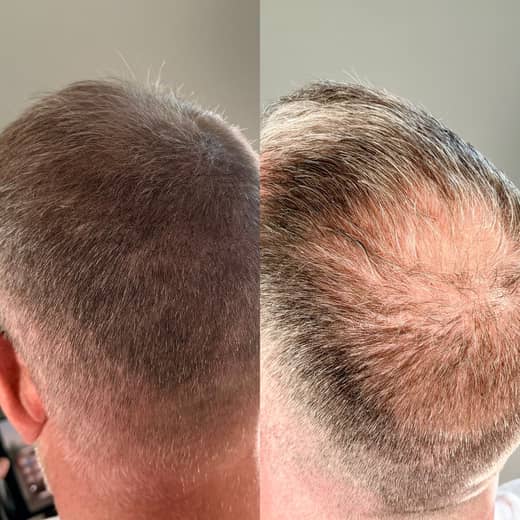
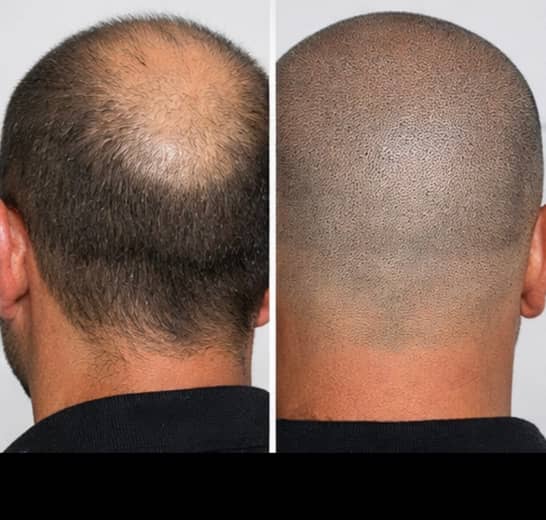
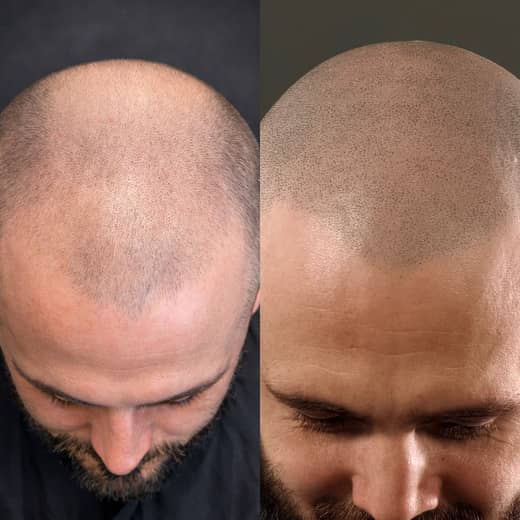
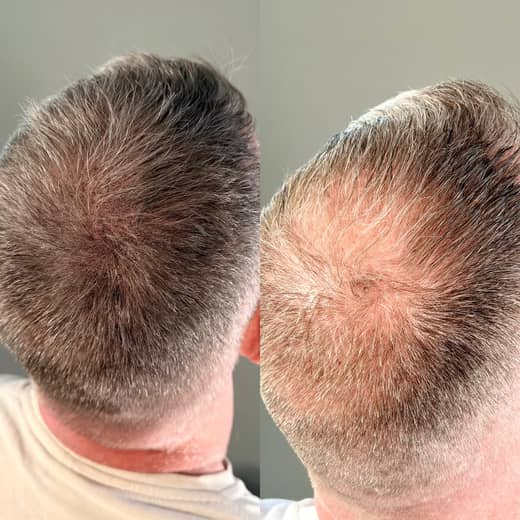
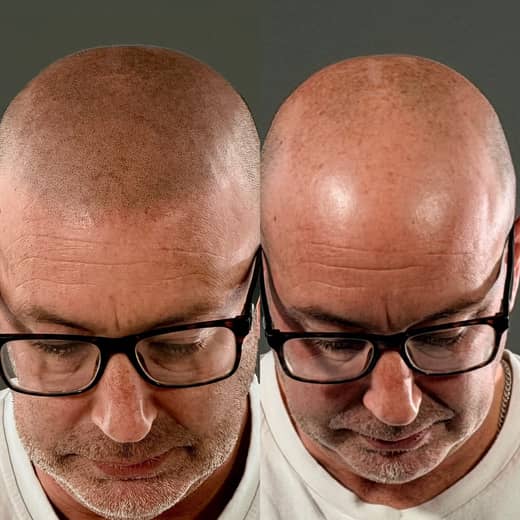
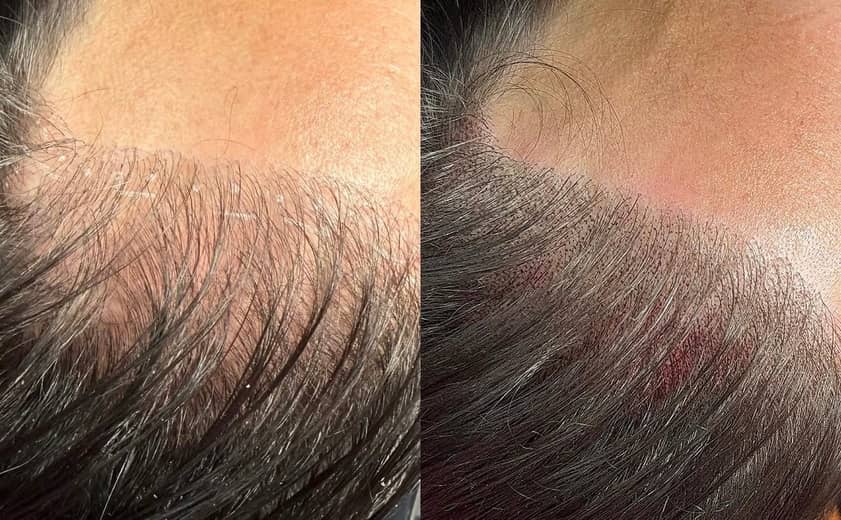
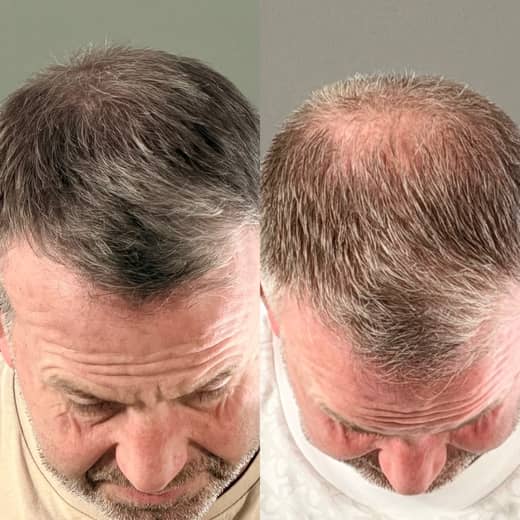
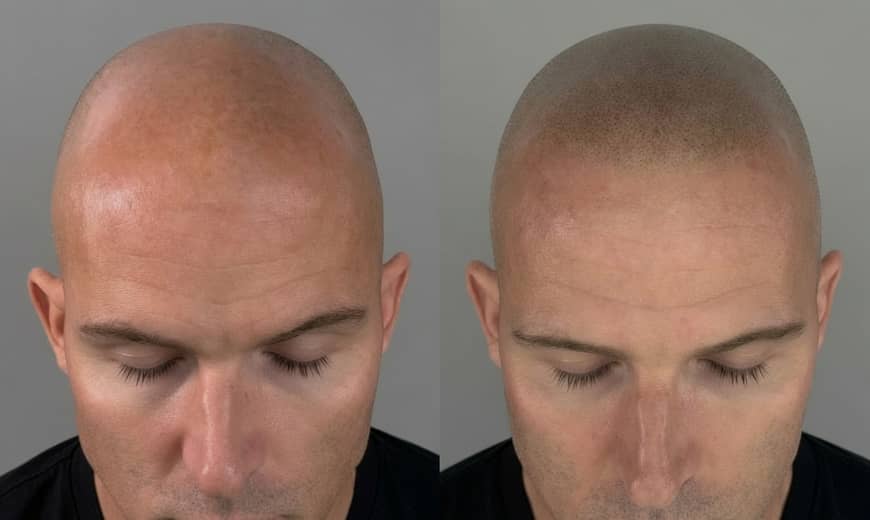
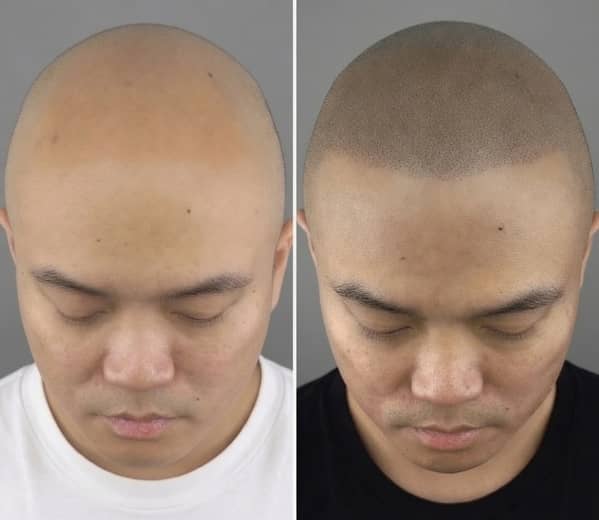
Deciding to have scalp micropigmentation is one thing; choosing where to have it is another. This post is about how we actually work at Kennedy SMP Studio in Haverhill - our approach and the steps you would go through with us - so you know what to expect before you ever book.
If you want the broader explainer of the treatment itself, that lives on our scalp micropigmentation page. This is about the experience here.
What to expect, in short
With us, scalp micropigmentation runs as a planned course: a free consultation and scalp assessment, then hairline design and colour matching, then the treatment over two to three sessions with healing time in between, and clear written aftercare. It is generally well tolerated, most people describe a light scratching sensation, and it recreates the appearance of hair rather than growing it. Individual results vary.
Our approach: plain, tailored, unrushed
SMP recreates the appearance of hair follicles: it does not grow or restore hair, and we will always be straight with you about that. The NHS classes it plainly as a cosmetic “tattoo used to look like short hair”, and Cleveland Clinic agrees it is “not a hair loss treatment”. What it can do is reduce the contrast between your hair and scalp so thinning areas, a receding hairline or visible scalp look fuller and more even.
Every plan is built around the person in the chair, so we take our time. We would rather plan carefully and set realistic expectations than rush you towards booking.
How the process works
The steps at a glance
- Free consultation in person or by video, with a scalp assessment and no obligation to book.
- Design and colour matching to your features and natural hair colour.
- Treatment over two to three sessions, carried out personally by Stephen, with healing time between each.
- Clear written aftercare to take home, then optional touch-ups over the years.
A free consultation first
Everything starts with a free, no-pressure consultation, in person at the studio or by video call. We talk through your hair-loss history, what you are hoping for, and any concerns - and we assess your scalp to work out a sensible approach. There is no obligation to book at the end of it.
Design and colour matching
Once we understand what you are after, we design the hairline and choose a pigment shade that blends with your natural hair colour. This stage matters: a natural finish depends far more on placement and shade choice than on anything else.
The treatment itself
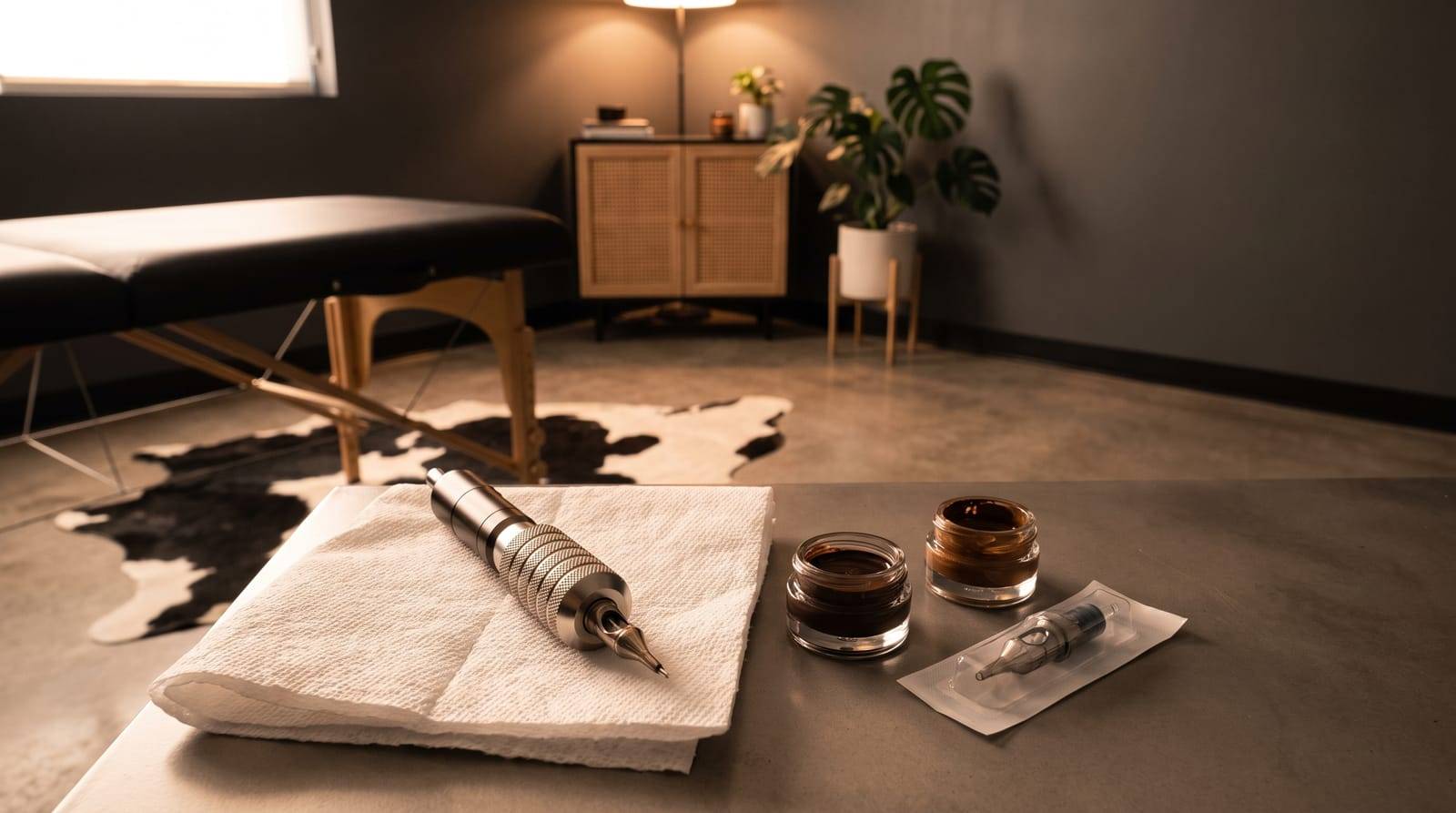
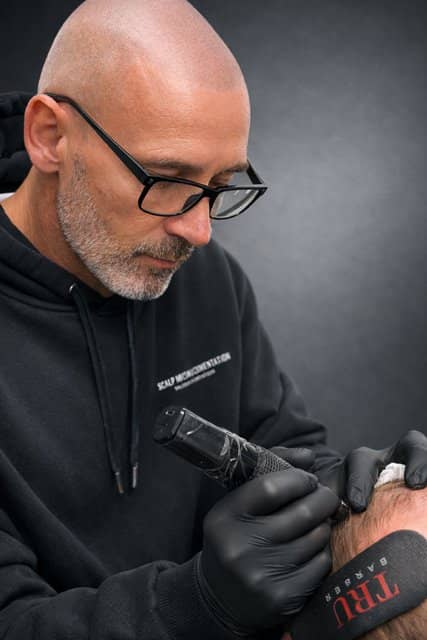
Treatments are carried out personally by Stephen and usually take a few hours per session, depending on the area.
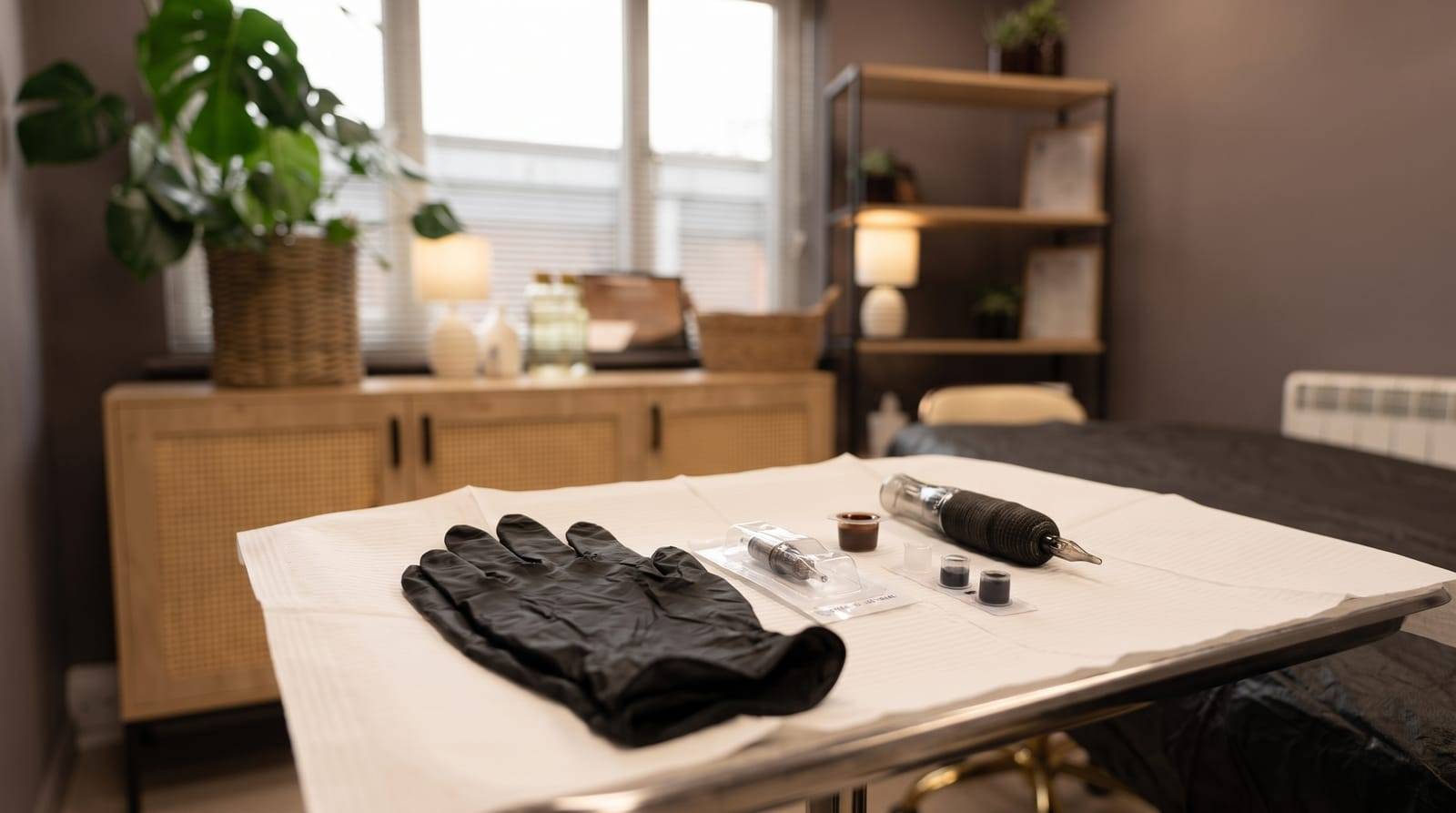
A few things we do differently are worth flagging:
- We talk through comfort and numbing at your consultation. Heavy lidocaine-based numbing creams can leave the skin spongy and swollen, which makes precise work harder, so they are often best avoided; we will agree the right approach with you. SMP is generally well tolerated: most people describe it as a light scratching sensation rather than something painful. That fits what Cleveland Clinic notes, that the needles are thinner and smaller than tattoo needles, so SMP is usually less painful than getting a tattoo.
- We build in stages. Most results take two to three sessions so the look can develop gradually and be refined as the pigment settles and heals. If you are treating thinning rather than a shaved look, what density SMP looks like after one session sets realistic expectations for that first visit.
Aftercare
When a session is done, you go home with clear written aftercare. The early days matter: keeping the scalp clean, going easy on moisture and sweat for the first few days, and protecting it from strong sun all help the result settle as it should.
The healing between sessions
One thing worth understanding before you start is what happens in the gap between sessions, because it shapes how the whole plan runs. In the first day or two the pigment looks a little darker than its final tone and the area may feel slightly tender or look faintly pink. Then the skin goes through a normal shedding phase over the following week, where the dots can look lighter or patchier than they did on the day, before the colour softens and settles over the following weeks. That fade is expected, not a sign the work has failed, and we deliberately leave time for it before the next session so we can see how your skin has actually held the pigment. Our post on density SMP after one session walks through that healing timeline in detail. Individual results vary, and healing speed differs from person to person.
We never judge a result on the day it is done. A course is spaced out, not rushed, so each session builds on skin that has properly healed.
A few honest myths worth clearing up
A lot of hesitation comes from things people have read rather than seen, so it is worth being plain.
- It is not the same as a regular tattoo. The pigments, the depth they sit at and the technique are specific to the scalp, and the aim is to mimic individual follicles rather than lay down a block of ink.
- It does not look obviously fake when it is done well. Most “fake-looking” results come from poor work; a careful shade, placement and density read as your own short hair.
- It is not only for fully bald heads. Density work blends pigment through thinning hair you still have, and it suits both men and women.
- It will not grow hair. We say this often because it matters: SMP changes how the scalp looks, not what is happening beneath the skin.
Who it suits, and who it does not
We would rather be honest at the consultation than book someone who is not a good fit. In short, SMP suits people who want to reduce the contrast between hair and scalp, are comfortable with a closely-shaved or fuller-looking finish, and have realistic expectations; it is the wrong choice for anyone hoping to regrow hair or expecting long, styleable length from pigment alone. Our guide to whether you should get scalp micropigmentation works through suitability in full, but if it is not right for you, we will tell you straight.
How to get the most from your sessions
A little preparation on your side helps each session go smoothly, and none of it is complicated. On the day, it is worth arriving with a clean scalp, having eaten beforehand, and being well rested, simply because you will be sitting comfortably for a few hours. It also helps to come with a clear sense of the look you are after, and any reference points, so the design conversation has something to work from. If you take any medication or have a skin condition affecting the scalp, mention it at the consultation rather than on the day, as it can shape timing and approach. Loose, comfortable clothing and a relaxed afternoon planned afterwards round things off. The treatment itself is the studio’s job; your part is mostly turning up prepared and following the aftercare.
Aftercare, in a little more detail
The written aftercare you go home with covers the specifics, but the principles are simple and worth understanding before you start.
- Keep the scalp clean and dry early on. Go gently with washing for the first few days while the surface heals, then return to normal cleansing.
- Ease off heavy sweating at first. Intense workouts, saunas and steam rooms are best paused briefly, as excess moisture during healing can affect how evenly the pigment settles. Swimming, particularly in chlorinated or salt water, is best left until you are fully healed.
- Protect against strong sun. Prolonged, unprotected sun exposure can fade pigment over time, so once healed, a hat or a suitable SPF on the scalp helps the result last.
None of this lasts long, and the early care genuinely pays off in a cleaner, longer-lasting finish. We are always happy to answer questions during healing rather than leaving you to guess.
Maintenance over time
Scalp micropigmentation softens gradually over several years rather than lasting forever untouched. How fast it mellows depends on your skin, your sun exposure and your own body, so it is not a fixed figure. Some people choose an occasional touch-up down the line to keep the look sharp, while others are content to let it soften naturally and refresh it less often. Either way, that gradual fade is part of how SMP works rather than a fault, and it means the look can be kept in step with your natural hair as you age. We will talk you through what upkeep is realistic for you, so there are no surprises later. Curious what is actually happening in the skin as that fade plays out? Our guide to how long scalp micropigmentation really lasts explains the mechanism.
Ready to talk it through?
If the way we work sounds like your kind of studio, browse our treatment prices to see where things start, then get in touch to arrange a free consultation with Stephen. No pressure to book on the day, just a clear plan, built at your pace. Not sure it is for you yet? Our honest look at whether you should get scalp micropigmentation is a good place to start.
More from the blog
Hair Tattoo for Men: What It Really Is (and What It Costs)
Hair tattoo, scalp tattoo, hairline tattoo: they are all everyday names for scalp micropigmentation. Here is a straight answer on what a hair tattoo actually is, what it costs, how long it lasts and who it suits.
Is Scalp Micropigmentation Right for You?
SMP suits a lot of people, but not everyone. A frank guide to who scalp micropigmentation can help, who it is not for, the honest pros and cons, and how to decide if it is right for you.

What a Hair System Really Costs in the UK (Over Five Years, Not One)
Salon price lists quote one unit. Nobody adds up the refits, the replacements and the tape. So I did, using the published prices of real UK salons, and the five-year number is the one worth knowing before you start.
Common questions
Does scalp micropigmentation hurt?
Most people find it very manageable and describe it as a light scratching sensation rather than something painful. Cleveland Clinic notes the needles are thinner and smaller than tattoo needles, so SMP is usually less painful than getting a tattoo, and we talk through comfort and numbing with you at the consultation. How it feels varies a little with the area treated and your own sensitivity.
How many sessions will I need?
Most results are built over two to three sessions, spaced a few weeks apart so the skin heals between each one. The first lays the foundation, and later sessions refine the shade, placement and density once we see how your skin has held the pigment. The exact number depends on your scalp and the look you want, so it is agreed in person rather than promised up front.
How long does it take to heal between sessions?
The scalp usually looks a little darker for the first day or two, then goes through a normal shedding phase over the following week where the pigment can look lighter, before settling into a more even tone over the following weeks. We leave time for that settling before the next session. Individual results vary, and healing speed differs from person to person.
What is the aftercare for scalp micropigmentation?
You go home with clear written aftercare. The essentials are keeping the scalp clean and dry for the first few days, easing off heavy sweating, saunas and swimming while it heals, and protecting the scalp from strong sun once healed. None of it is complicated, and the early care genuinely pays off in a cleaner, longer-lasting finish.
How should I prepare for my appointment?
Arrive with a clean scalp, having eaten and well rested, since you will be sitting comfortably for a few hours. It helps to come with a clear sense of the look you are after and any reference points for the design conversation. If you take any medication or have a skin condition affecting the scalp, mention it at the consultation rather than on the day, as it can shape timing and approach.
Thinking about scalp micropigmentation?
Book a free, no-obligation consultation. We'll talk through your hair openly - no guarantees and no medical claims, just a clear idea of whether SMP is right for you.
Book a free consultation